
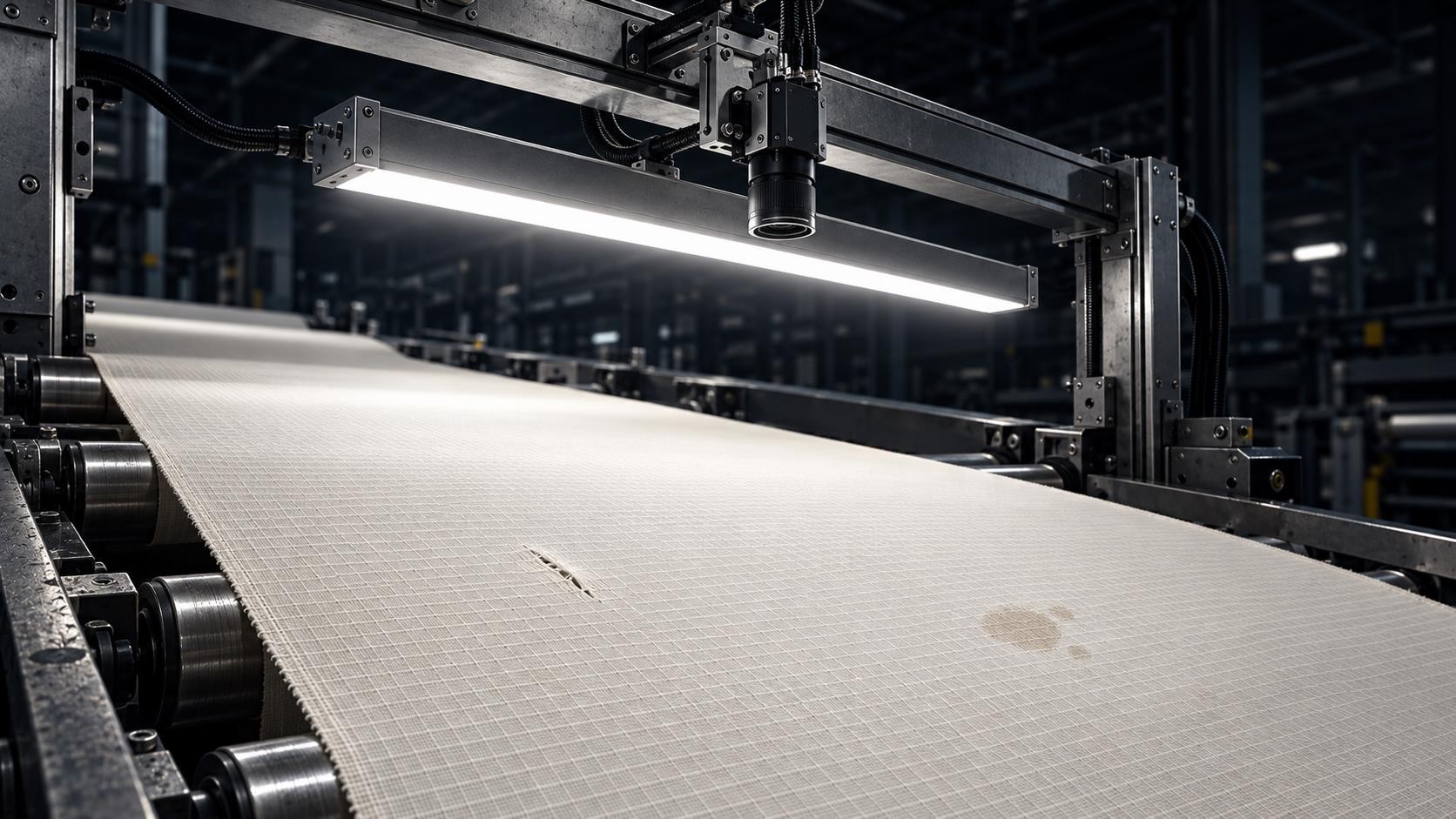
Detect cuts, tears, punctures, contamination and structural defects in fabric. Link events to locations on the roll and send results for quality-control review.
The defect catalogue and detection limits are agreed using the customer's fabric.
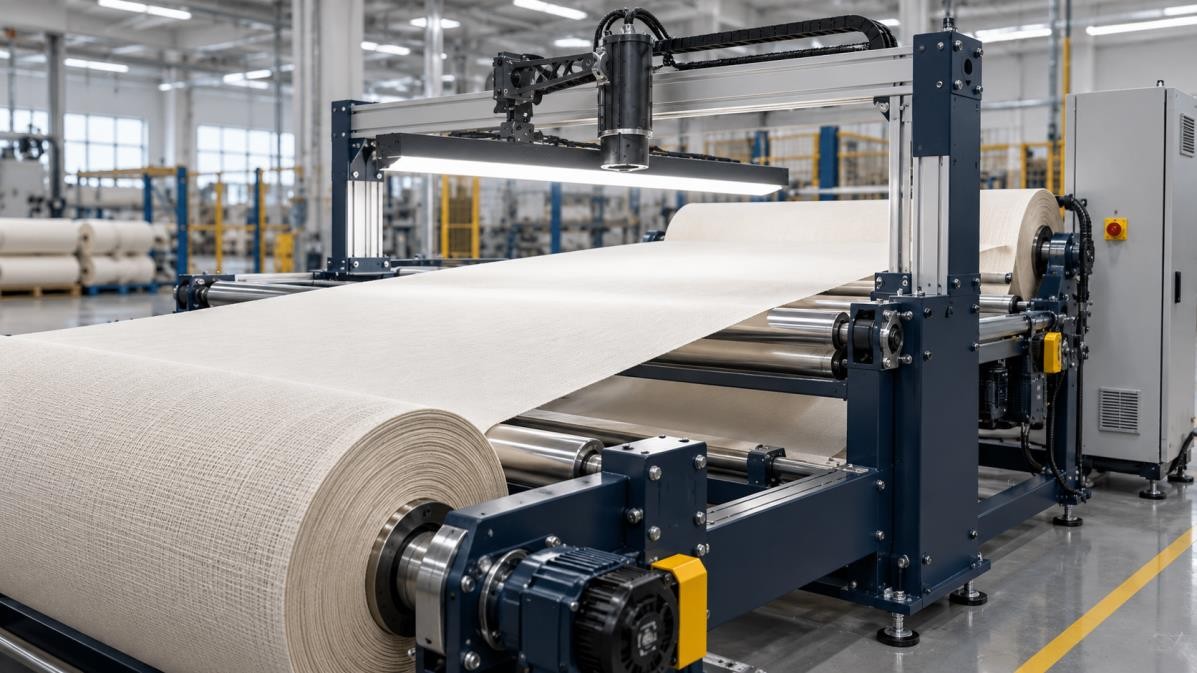
Concept visualisation of the proposed inspection station, not a deployment photograph.
Start with a catalogue of real defects from your production. We verify detectability for each class against the material, lighting and imaging conditions.
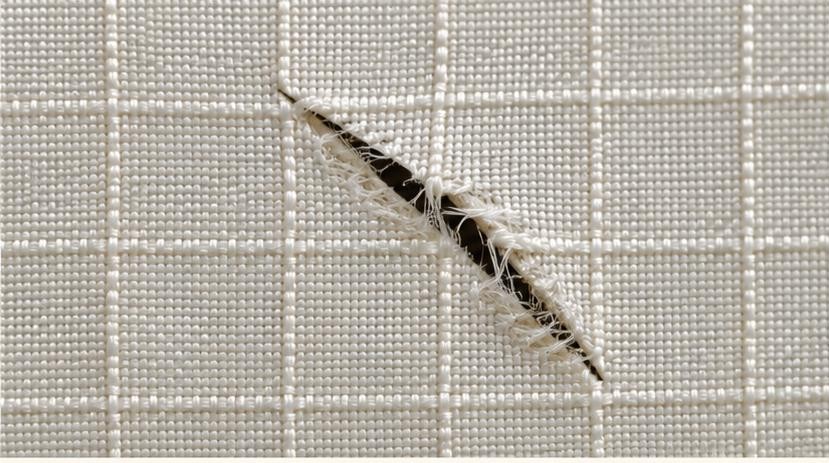
Damage to the integrity of the fabric.
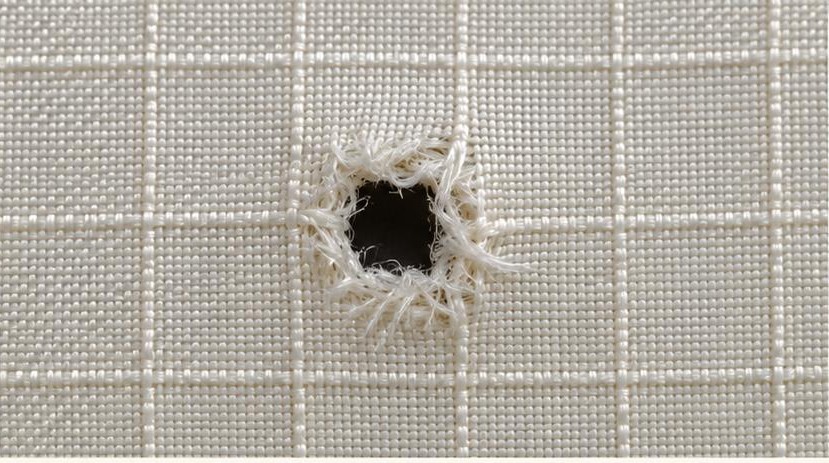
Local defects extending through the fabric.
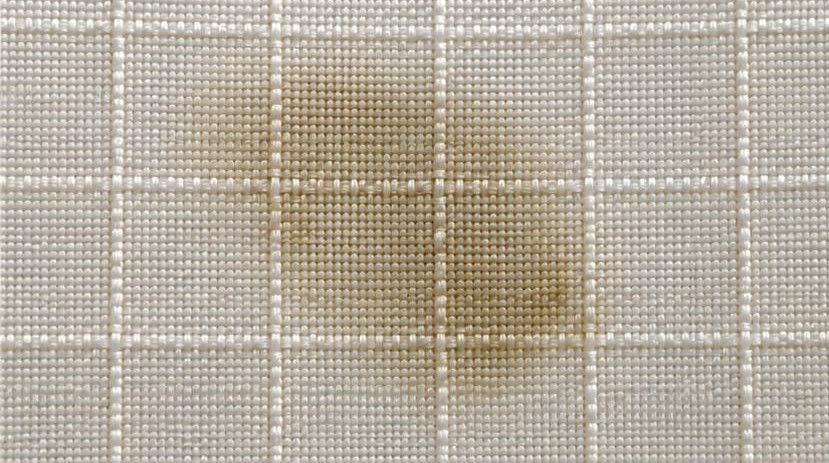
Changes to the surface and colour.
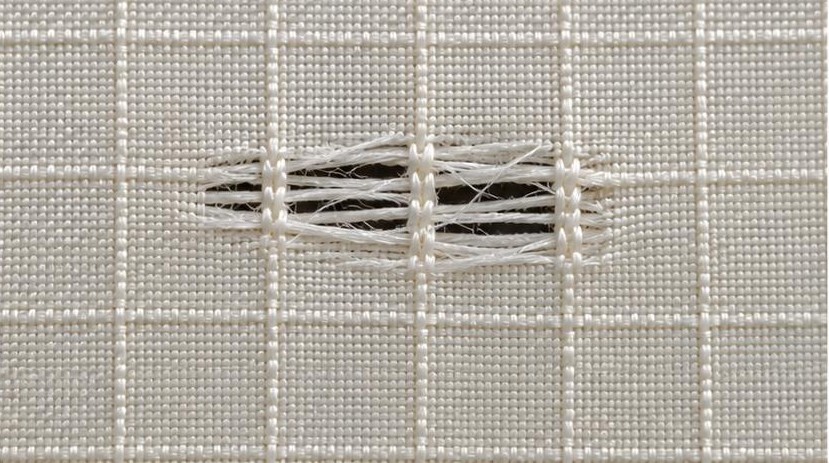
Missing threads, sparse areas and weave defects.
These AI-generated defect illustrations are taken from the STATANLY presentation.
Camera and lighting, STATANLY computing, the operator interface and enterprise data form one project-specific configuration.
Camera, optics and lighting for imaging moving fabric.
Defect detection and event rules on a local server or edge device.
Work with events, images and roll histories.
Exchange with HMI, SCADA, MES and ERP. Signals to the PLC or line follow agreed rules.
Configuration, interfaces and automatic equipment responses are defined for each project.
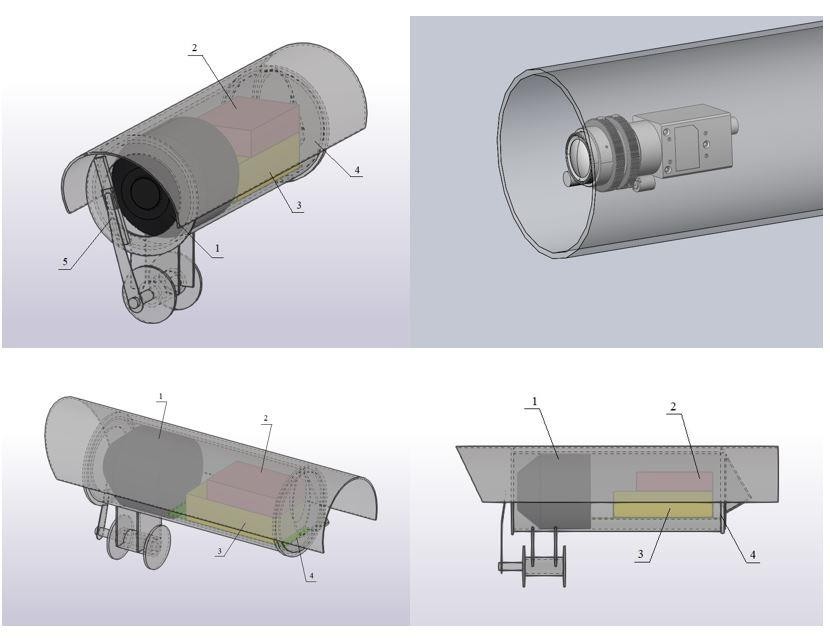
Camera positioning and lighting are selected after test imaging across the full fabric width.
Resolution is selected for the target defect size.
Lighting is tuned to the texture and contrast of the material.
We account for fabric tension, speed and vibration.
Choose an accessible point with a clear response to inspection results. The production sequence is confirmed during the site survey.
Early response to a defect.
Inspection of processing results.
Roll mapping and section review.
Pass the decision to the next operation.
Selection depends on fabric access, speed, lighting and the equipment's ability to respond.
Images and coordinates help locate the defect again. QC decisions and review history are stored with the material data.
The web interface brings together images, current-roll events, review statuses and defect-type statistics. Review criteria are agreed with the QC team.
Marking, rejection or stopping according to an agreed rule.
Record the decision and keep the example.
Keep a separate status for further review.
Automatic equipment responses are agreed separately.
The intended use of the material determines the inspection programme and acceptance criteria.
Visible damage, contamination, structural defects and their location on the fabric.
Strength and elongation, tear resistance and air permeability. Vision inspection does not replace these tests.
For parachute fabric, the test scope is agreed against its specification. This scenario requires customer confirmation.
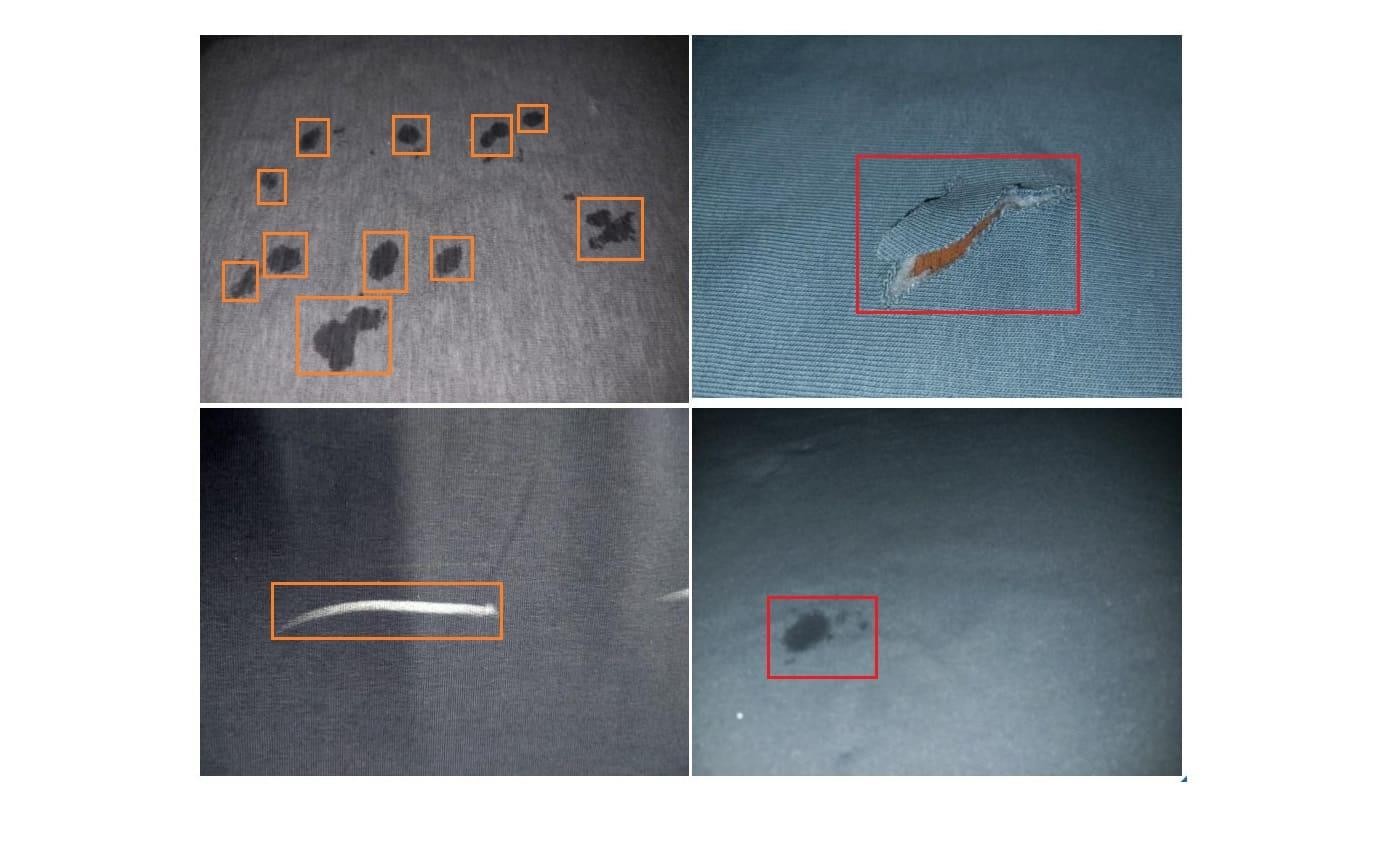
The STATANLY textile case includes stains, holes, needle marks and uneven dyeing.
Defect identification and grading.
Statistics and information transfer to the enterprise.
The customer and fabric application are not disclosed. The presentation does not provide accuracy or payback figures for this case.
Explore defect inspectionThe presentation cites these results as industry examples. They are not STATANLY deployments or forecasts for your production.
2022 trials of the SPbPU and partners' system: 217 findings from manual grading versus 1,363 from AI inspection on 700 m of fabric. The system recorded 17 defect types.
Presentation source: SPbPU. These are finding counts; recall and false-event rates were not separately published.Ekoten: approximately 50% lower defect levels across 11 circular knitting machines. Modelmalhas: 32% higher output on one machine over two weeks, with speed changed from 22 to 26 rpm.
Presentation sources: mill statement / ITMF Awards 2022; Smartex publication, May 2023. Project conditions differ.Dyeing, printing and finishing technical textiles: automatic inspection, results review and an optimised cutting plan before downstream processing.
Presentation source: named Pincroft testimonial about the Shelton Vision solution.One inspection point, real defects and independent verification. Timing, sample scope and target metrics are agreed before starting.
Material, operating conditions and installation location. Output: a documented conditions profile.
Check the visibility of target defects. Select the camera and lighting.
Model, defect catalogue and event rules. Output: a working version.
Different rolls and QC reference annotations. Report and deployment decision.
Count, size and examples of every missed defect.
Share of defects found against QC reference annotations.
Events judged false by QC per 1,000 m² of fabric.
Speed, width, inspected area and defect relocation accuracy.
Disputed and unreviewed events are counted separately. Targets are agreed before trials.
Payback is calculated after the pilot using actual production data. Equipment scope and responsibilities are defined in the proposal.
Prepare material data and defect examples. We will use them to agree the catalogue, pilot conditions and acceptance programme.
Application, fabric reference, width and speed.
Images and samples, minimum sizes and QC criteria.
Catalogue, pilot conditions and acceptance programme.