
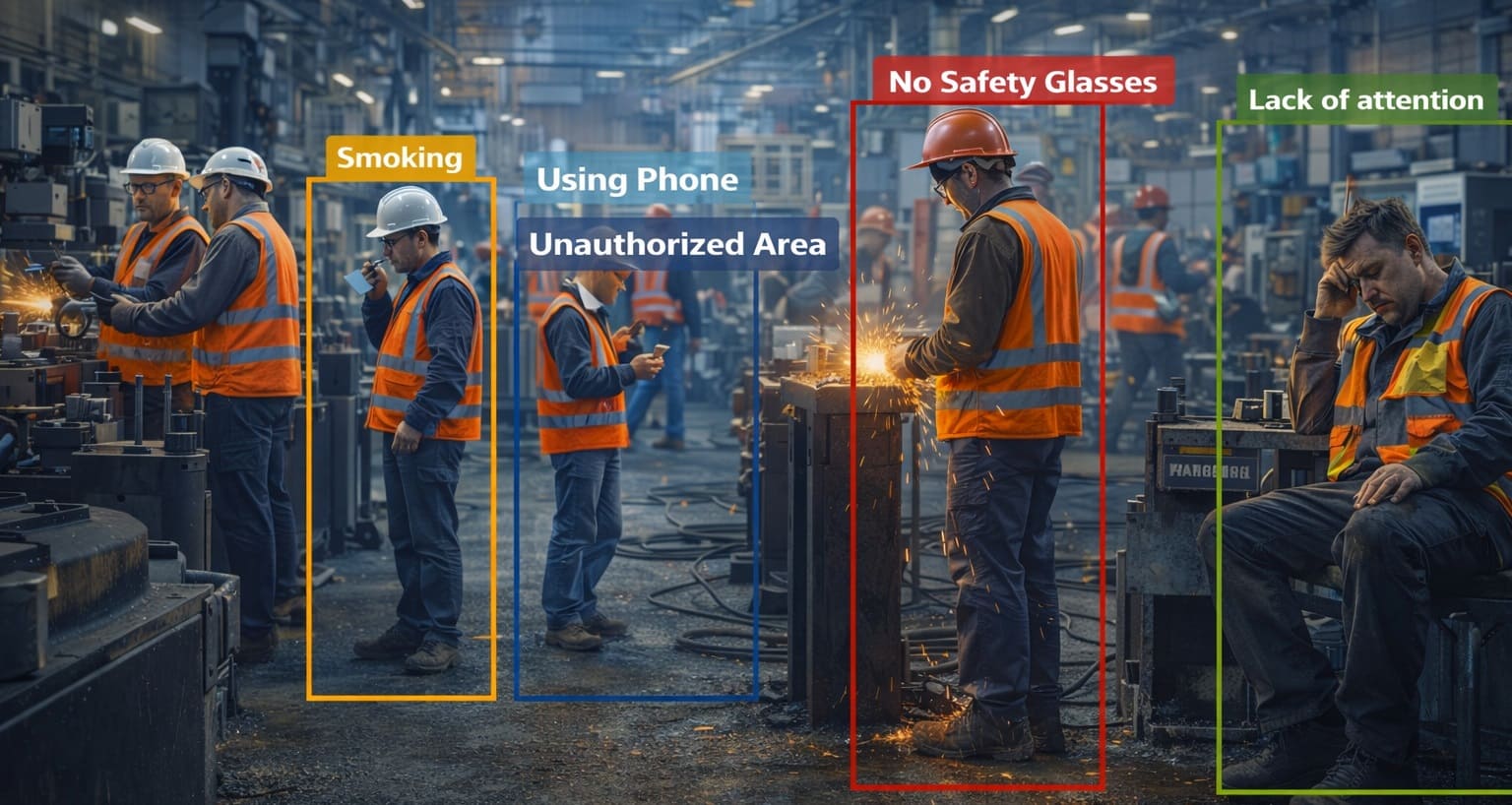
AI platform for industrial safety, occupational safety and violation control
Automated control of safety compliance, PPE, hazardous zones, regulation violations and production processes based on computer vision and event analytics
Works with already installed cameras
Problem
Enterprises need a new level of industrial safety
A modern enterprise is simultaneously a high-risk facility, a complex production process, distributed infrastructure and an area of high responsibility for personnel
Rounds and point monitoring
Control depends on the presence of a specific employee and covers only part of the site and part of the time.
Human factor
Violations are missed or interpreted differently, while control discipline depends on the shift, area and workload of personnel.
No evidence base
Without event cards, confirming frames and logs, it is difficult to investigate incidents, justify decisions and train personnel.
Delayed reports
Information appears after the fact: after an incident, downtime, defect or process regulation violation.
RUB 1M+Losses from fines, compensation and reactive elimination of violations
Up to 90 daysDowntime and consequences of serious accidents and deviations may last this long
80,000+Accidents per year require a new level of control and transparency
Data-drivenManagers need KPIs and figures by sites, not only verbal reports
What changes with AI
From manual monitoring to automatic 24/7 violation detection
AI uses existing cameras and turns video into a flow of events, notifications and measurable KPIs. Control stops being reactive and becomes continuous and evidence-based.
Before
Manual monitoring and late response
- Control is based on rounds and selective camera checks.
- Violations are not always recorded and not at the moment they occur.
- There are almost no confirming frames or unified event log.
- It is difficult to scale unified standards across all sites and shifts.
After
Automated control, events and KPIs
- Violations are detected automatically 24/7 from video streams and facility data.
- Each event includes time, zone, frame and processing status.
- Management sees sites in one window: safety, discipline, processes and equipment.
- Video becomes a source of KPIs, analytics and evidence for improvements.
Core capabilities
Safety management platform capabilities
The platform combines OHS and safety violation control, production processes, equipment and industrial safety compliance in a single enterprise digital loop
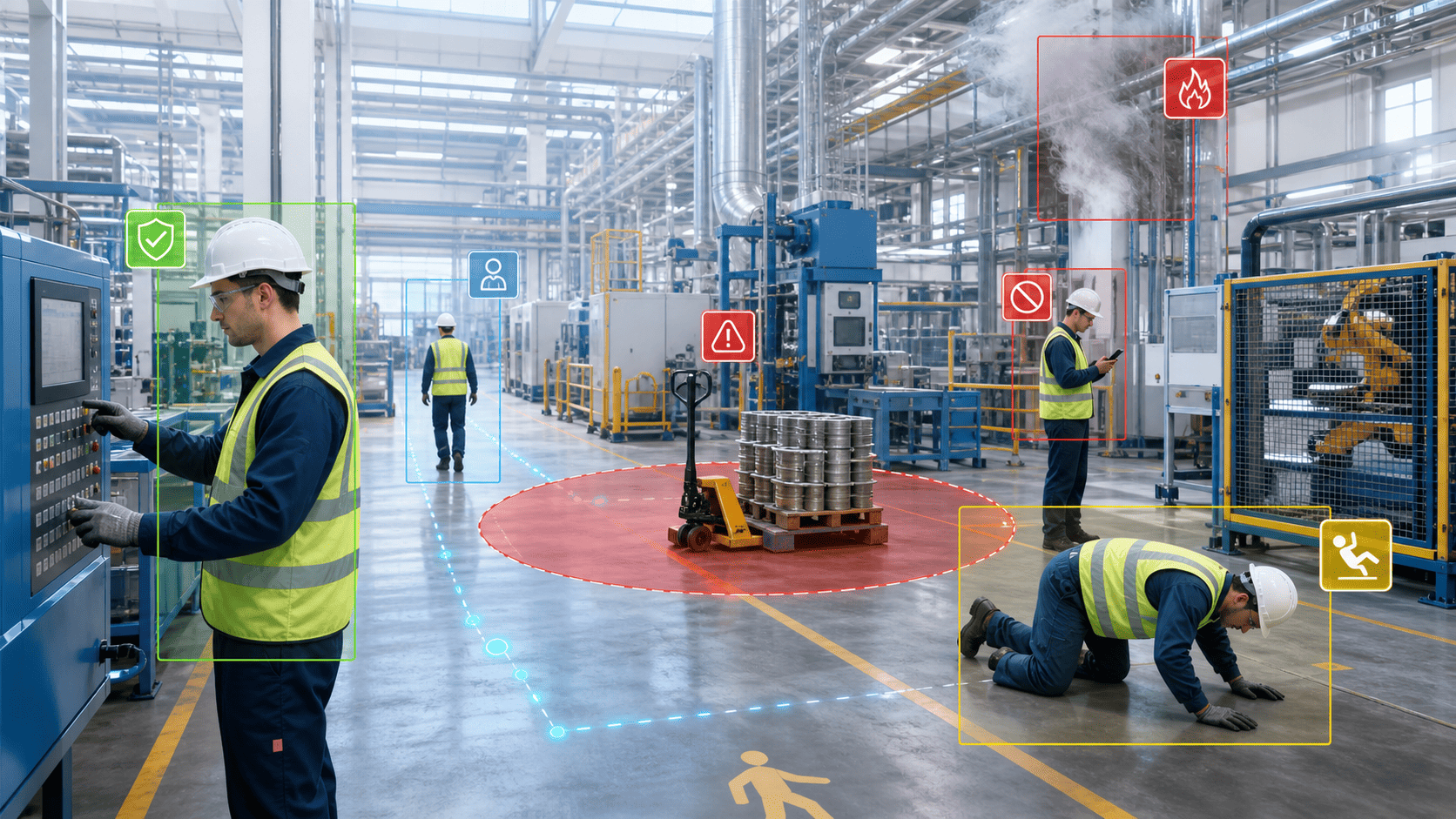
Safety and occupational health
- PPE, hazardous zones, unauthorized entry
- Smoke, fire, falls, explosions, regulation violations
- Smoking, phone, devices, foreign objects
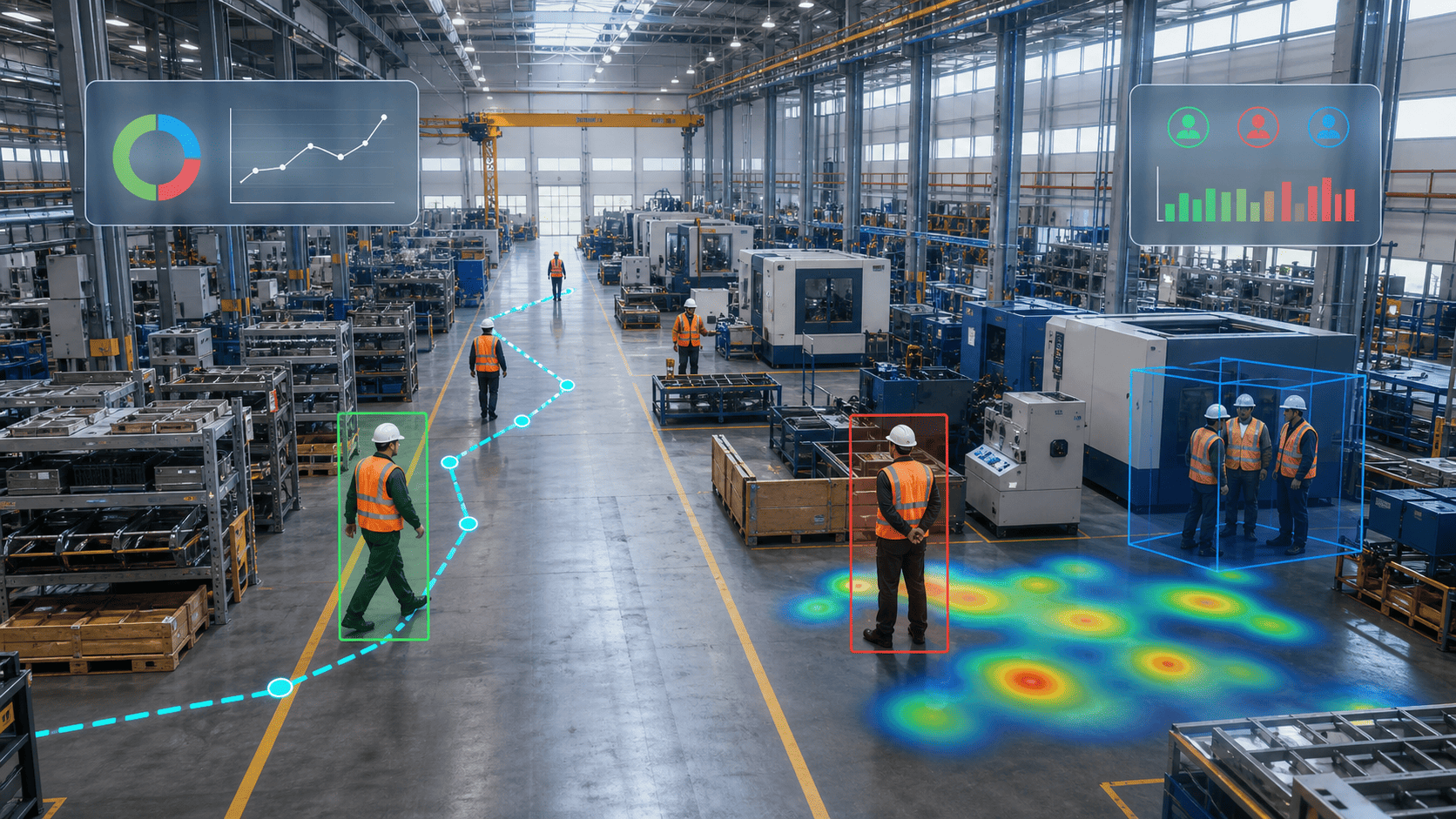
Workforce efficiency
- Presence, lateness, downtime and inactivity
- Discipline, conflicts, crowding
- Employee activity, patrol routes, absence
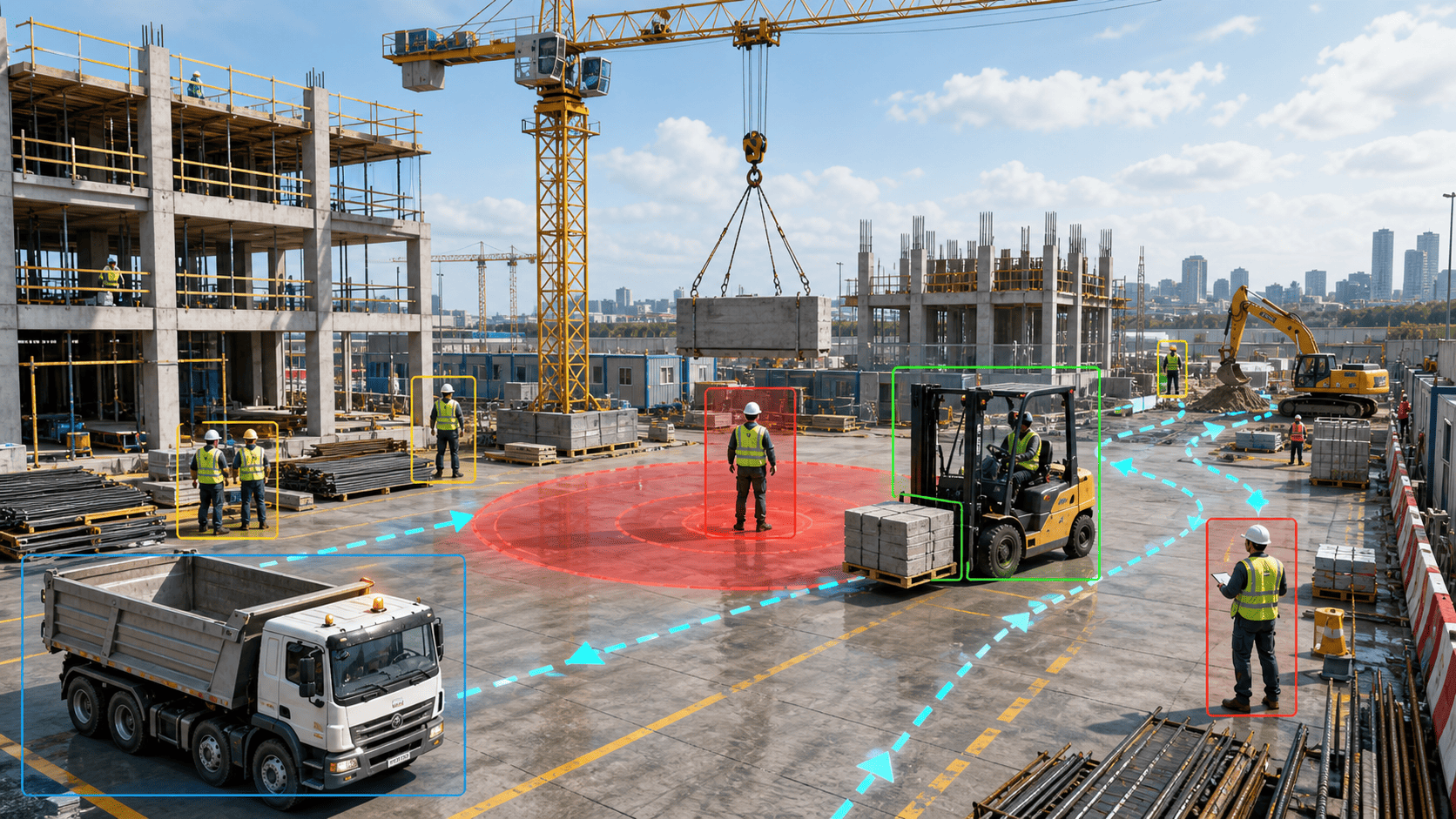
Safety during lifting, loading and construction works
- Operation sequence and regulation compliance, action control
- Work at height, fall protection systems, hazardous zones
- Gas-hazardous, earthworks, lifting operations and special equipment
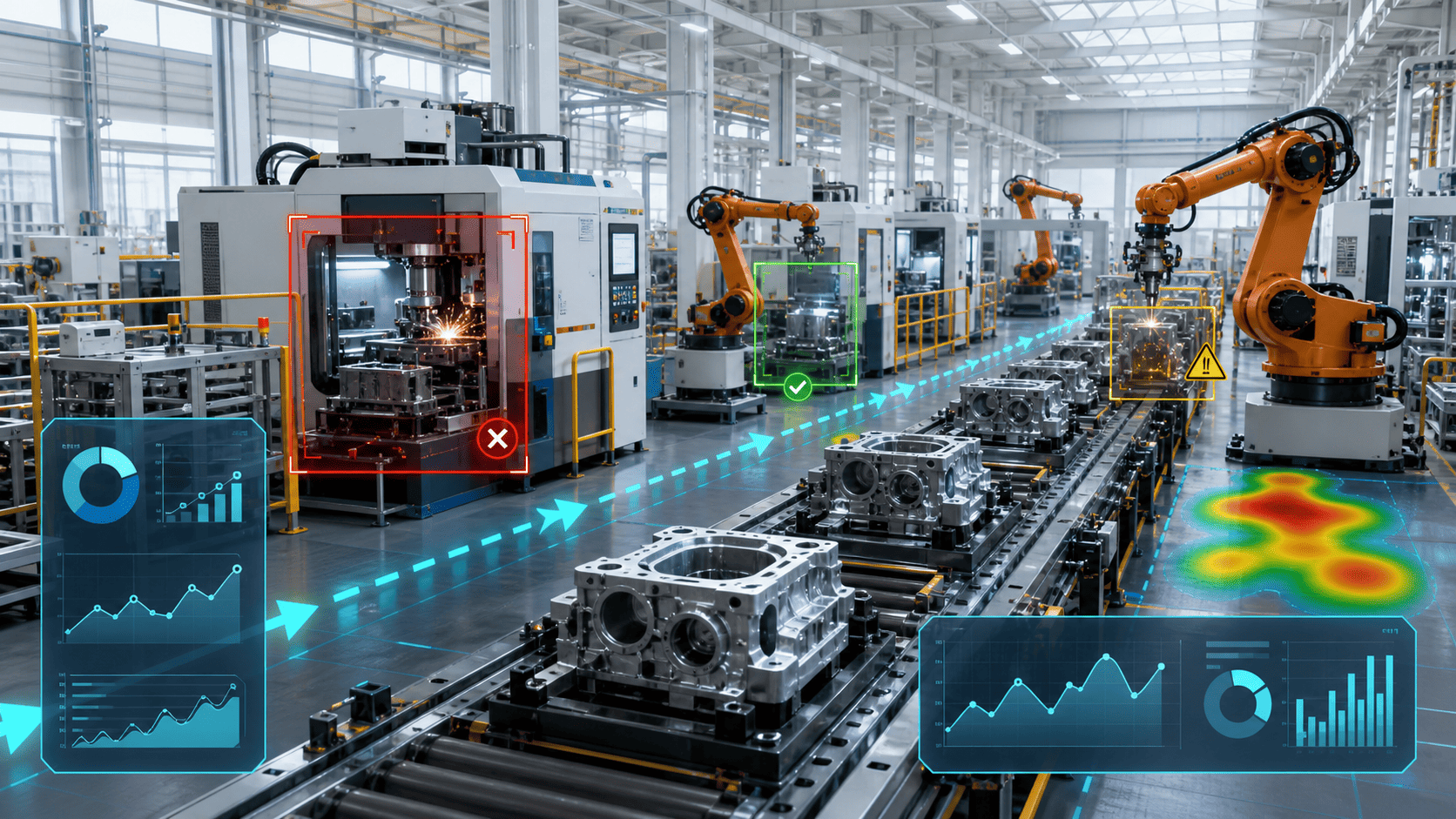
Process and equipment control
- Equipment and machinery operation control
- Early detection of overheating, leaks and anomalies
- Analysis of production line operation, stops and downtime
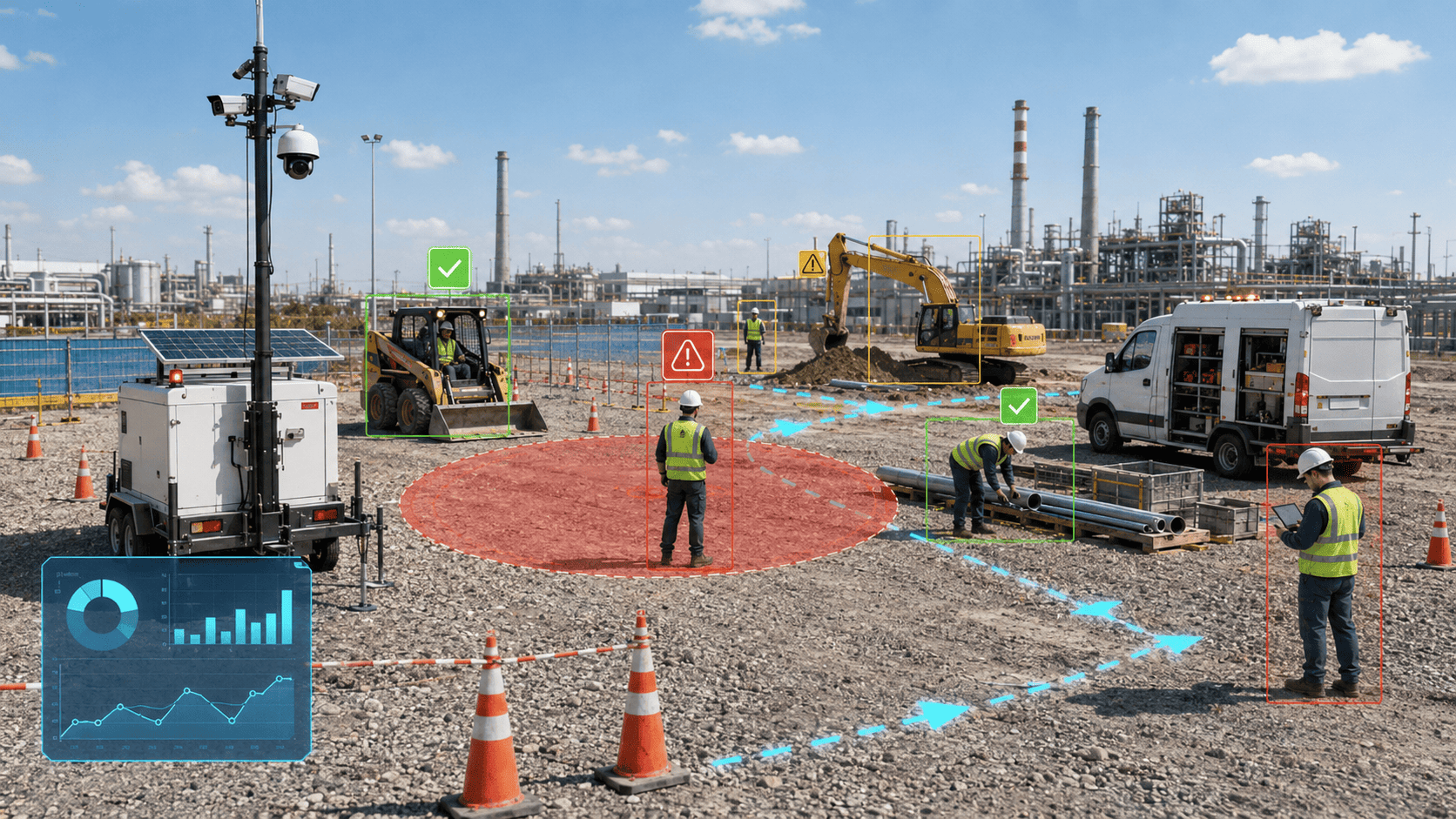
Open sites and mobile complexes
- Temporary hazardous zones, perimeters and field works
- Autonomous PPE, equipment, activity and downtime control
- Recorders, audio, events and evidence fragments
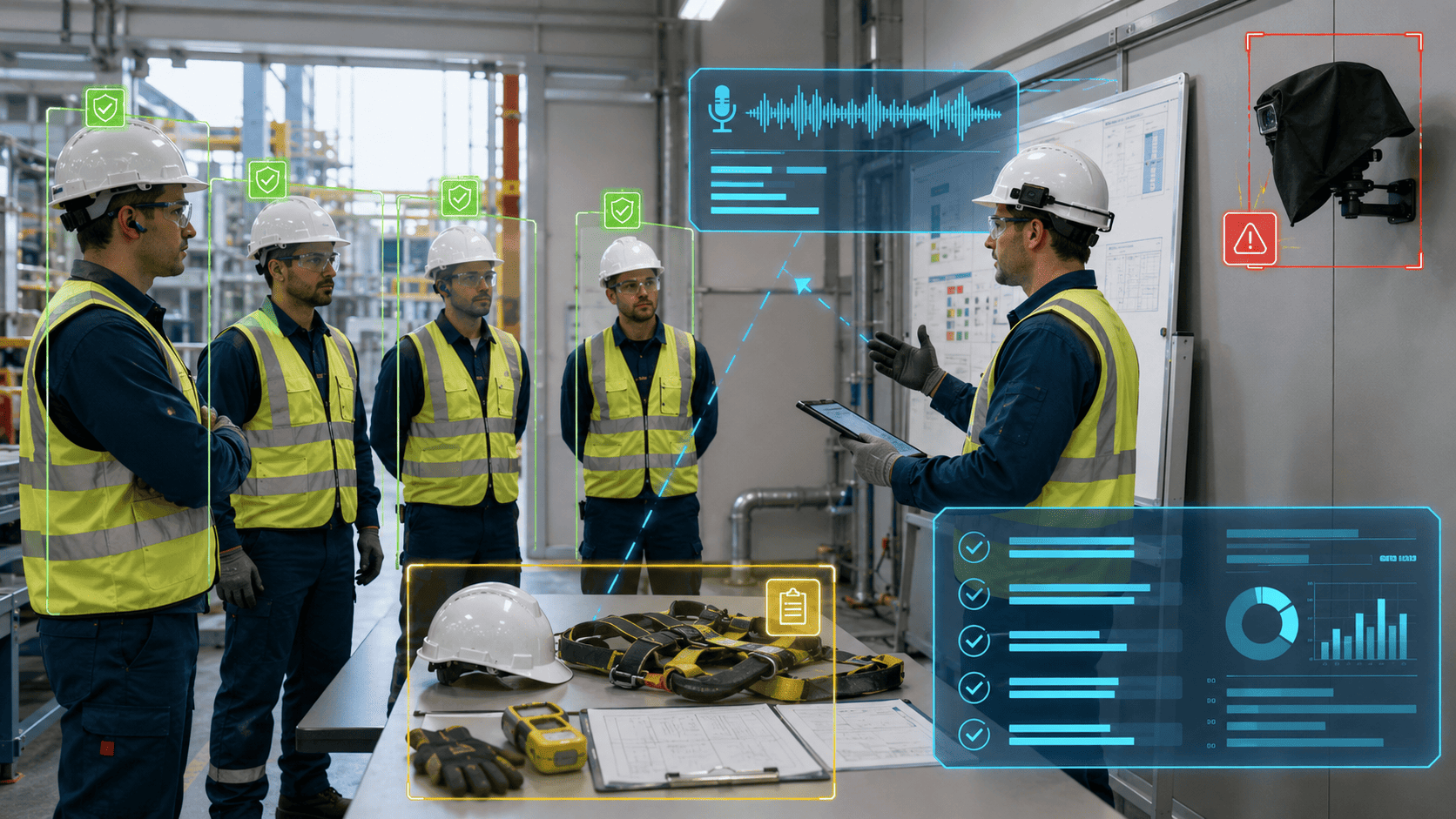
Briefing and PTW audit
- Checking recording, date, PTW number and crew composition
- ASR + LLM check of risks, PPE, roles and work sequence
- Checklist statuses, timestamps and evidence
OHS and industrial safety control
Occupational safety, industrial safety and violation control
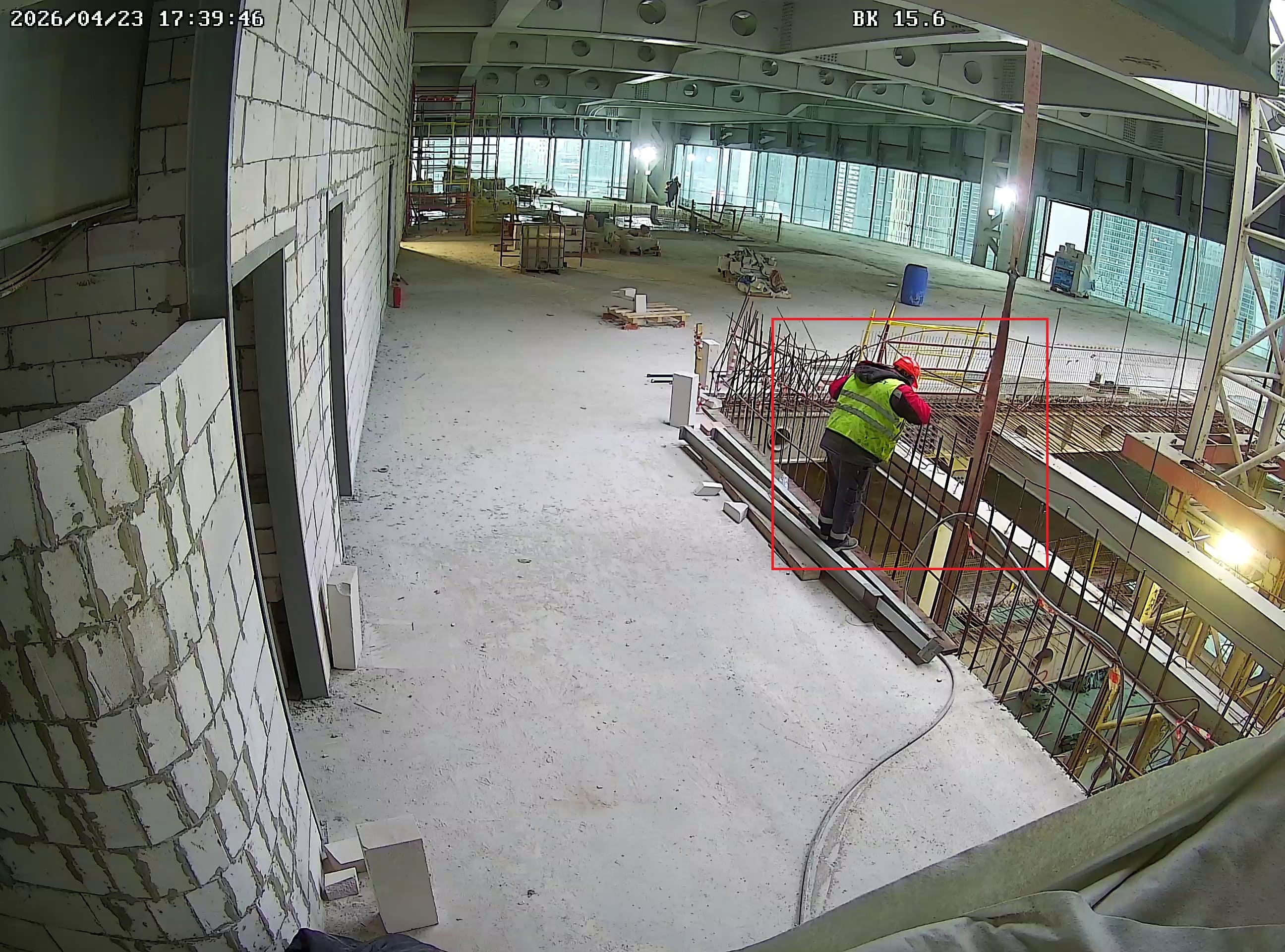
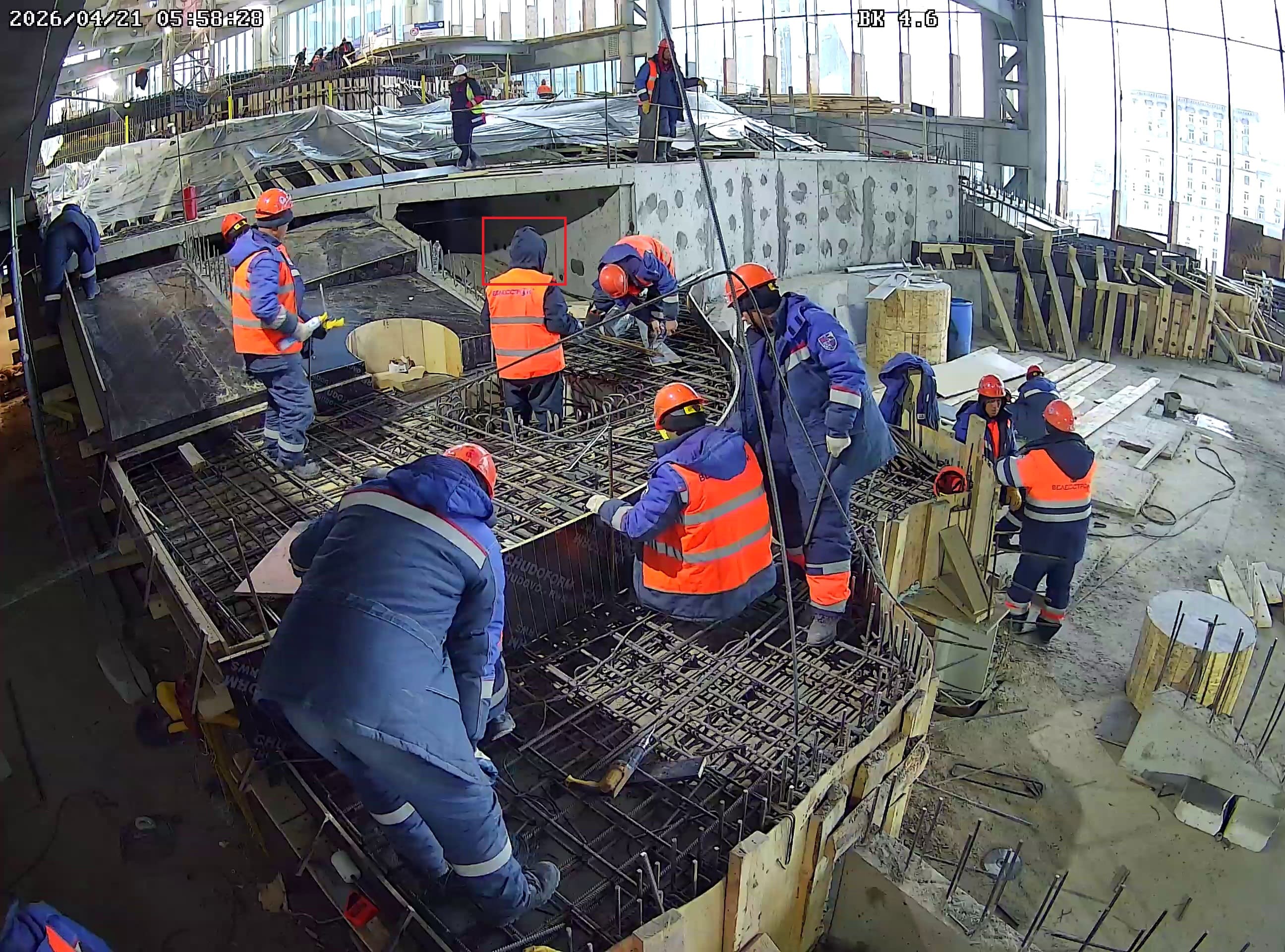
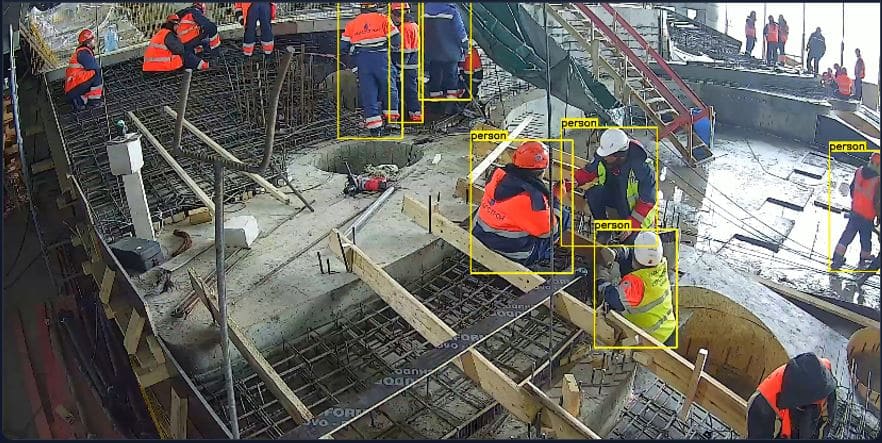
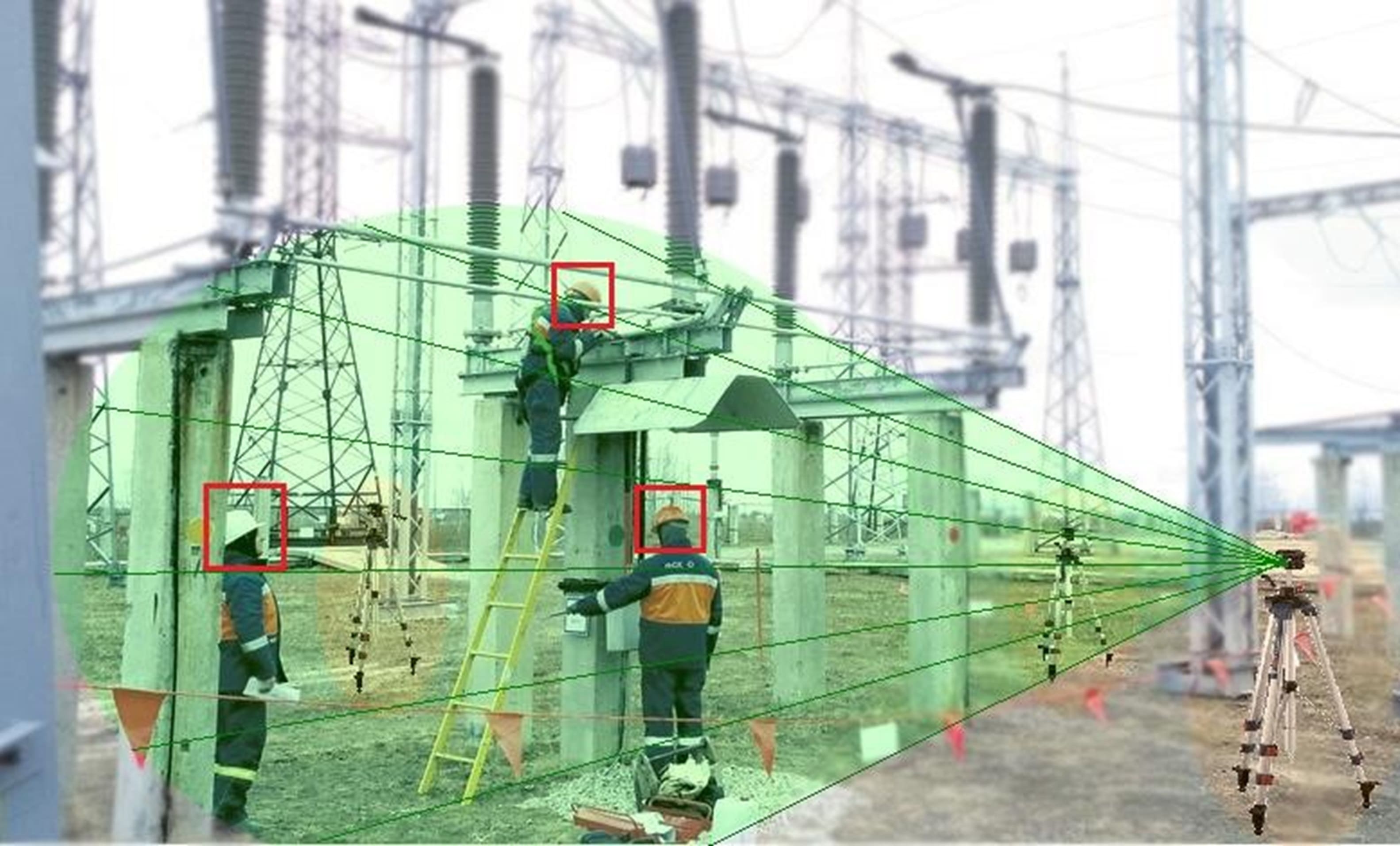
The system continuously detects violations of occupational and industrial safety requirements: missing PPE, entry into hazardous zones, work at height without protection, smoking, phone use, falls, smoke and other critical events.
- PPE control: helmet, goggles, gloves, vest, mask, respirator, workwear, fall protection, face shield.
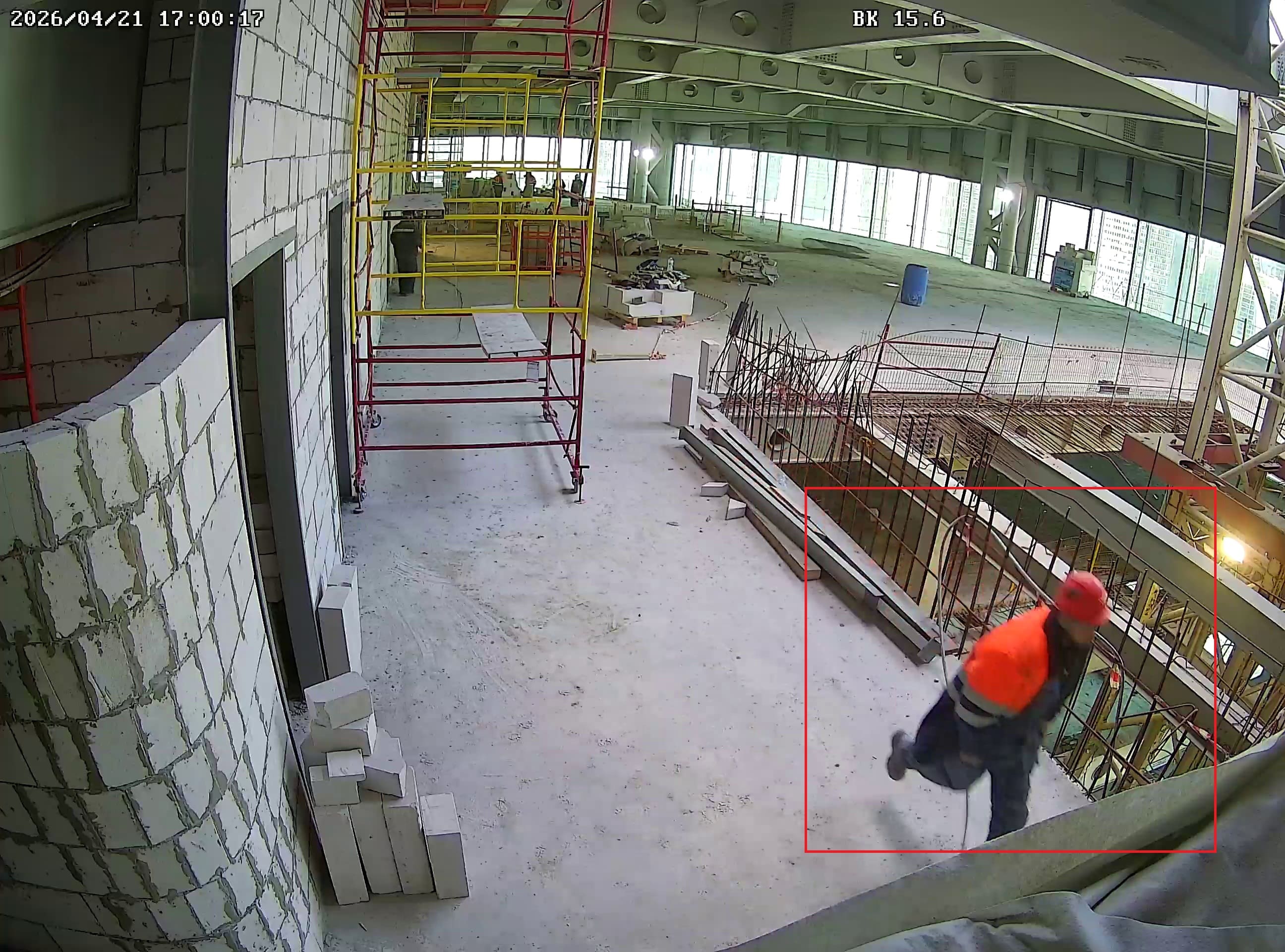
- Detection of entry into hazardous and restricted zones, crossing barriers, passages and signal tape.
- Early detection of smoke, fire, sparks, falls, regulation violations and abnormal situations.
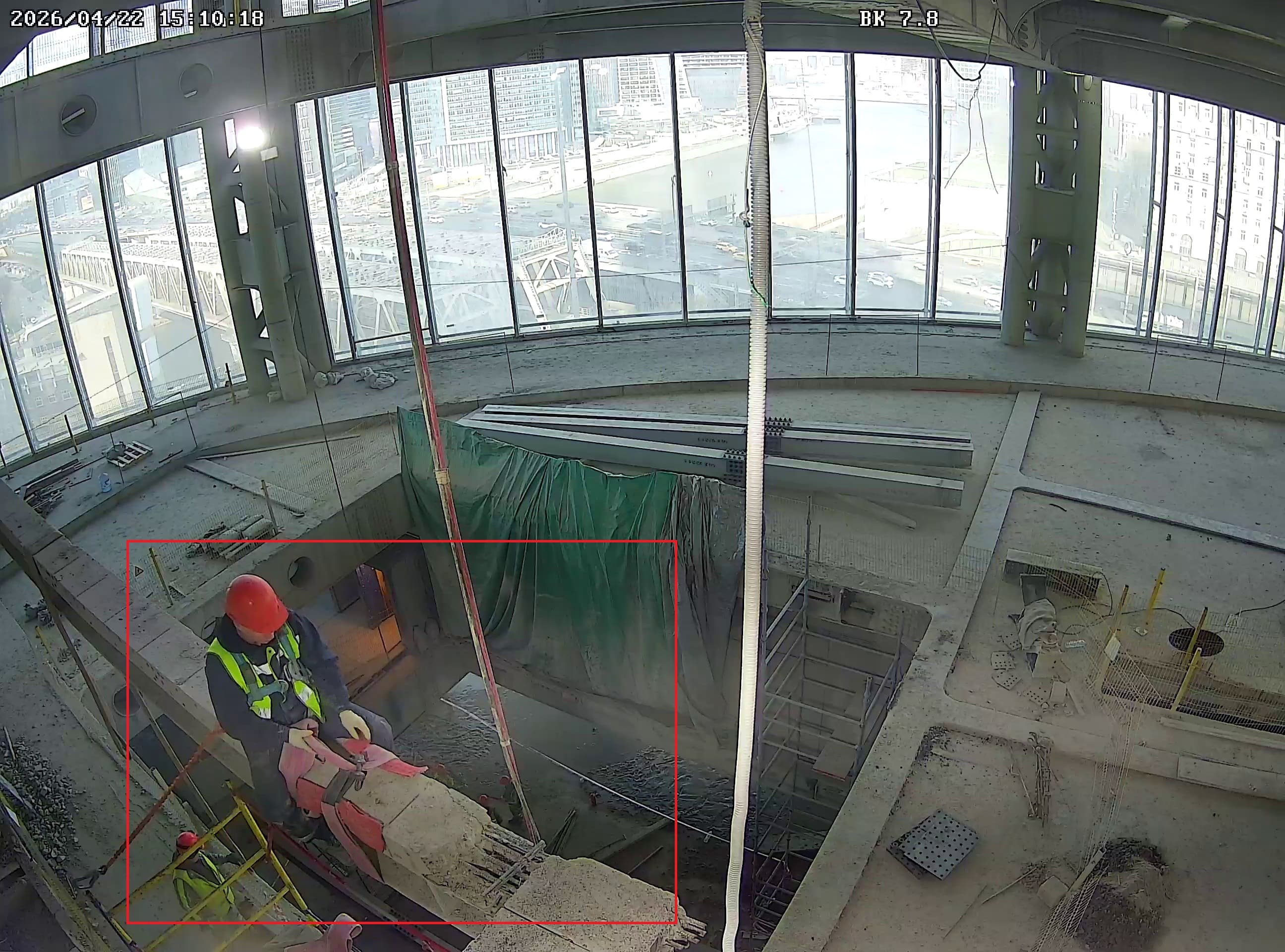
- Complex scenarios: work at height, restraint systems, fall-arrest harness, ladders and hazardous zones.
Up to 99%Accuracy of violation and incident detection
24/7Continuous real-time monitoring
NotificationsEmail, SMS, Telegram and event cards
IntegrationVMS, access control, SCADA and alert systems
Biometric access system and biometricsOffender recognition and integration with the biometric system
100+Ready scenarios and ability to add new ones
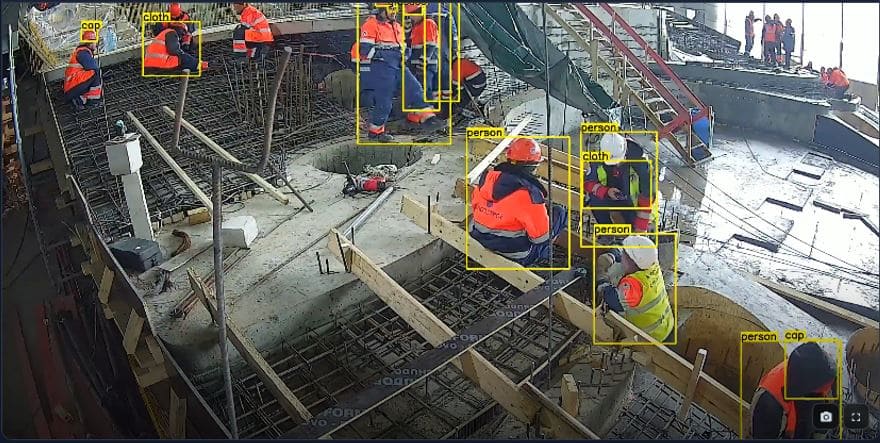
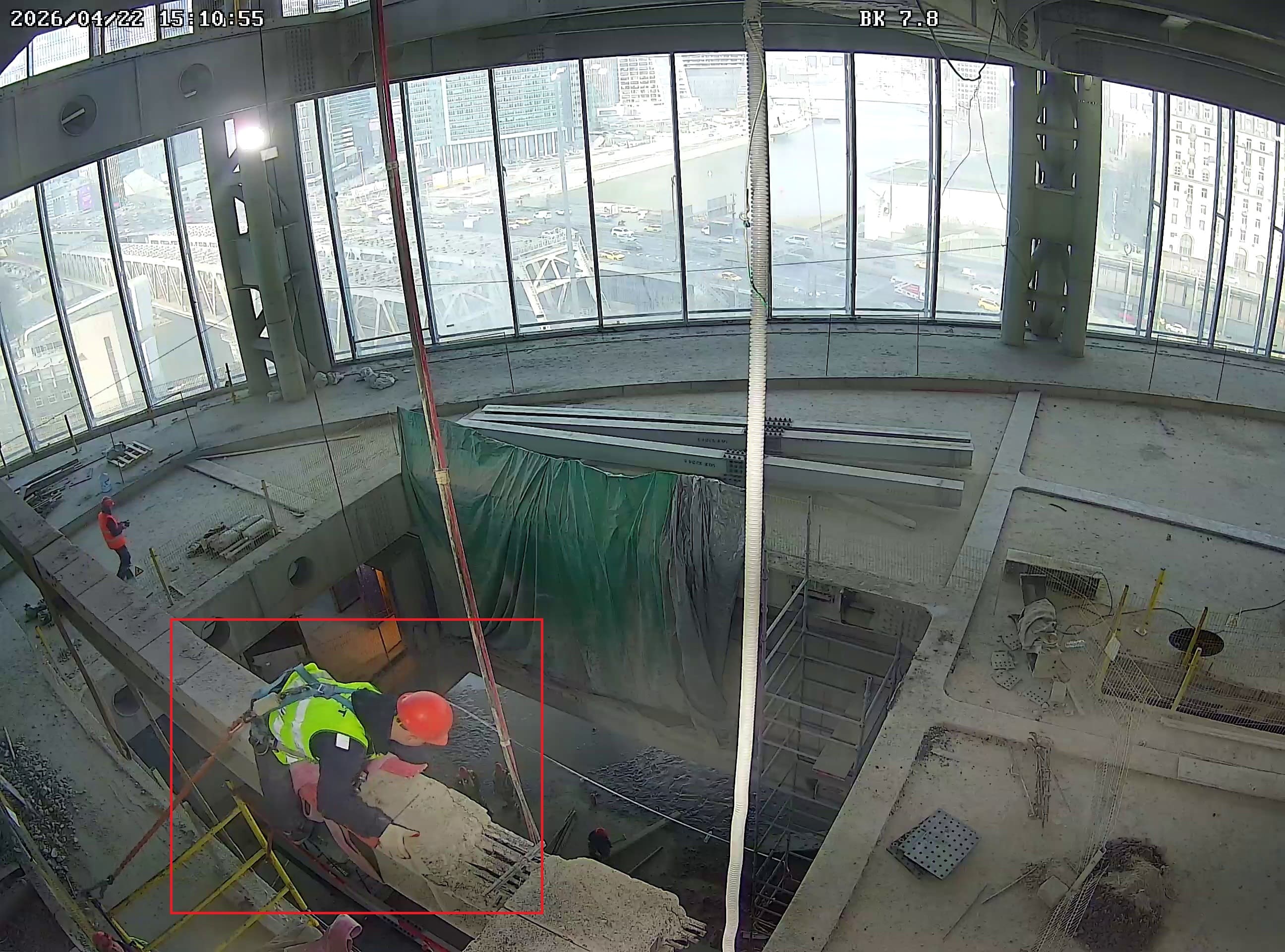
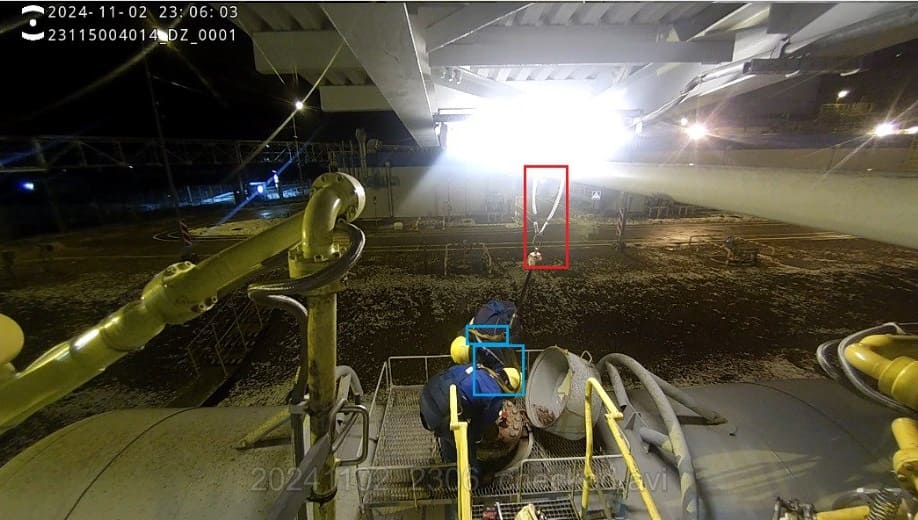
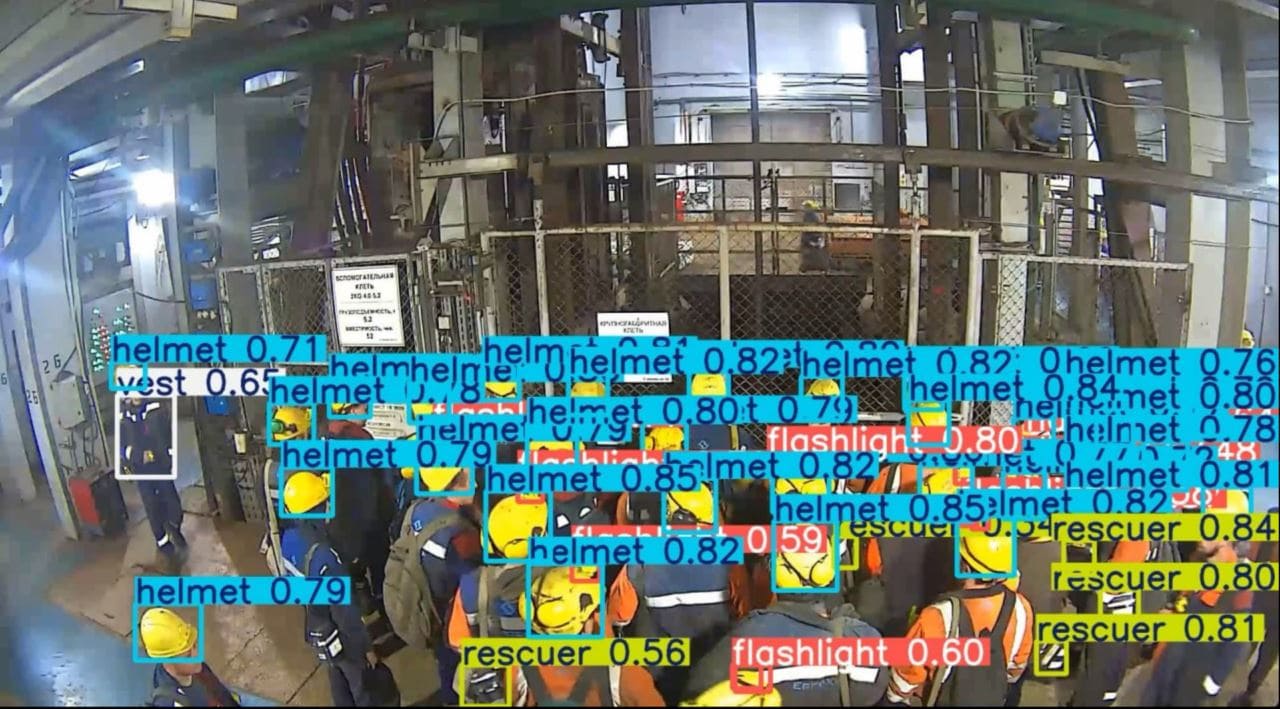
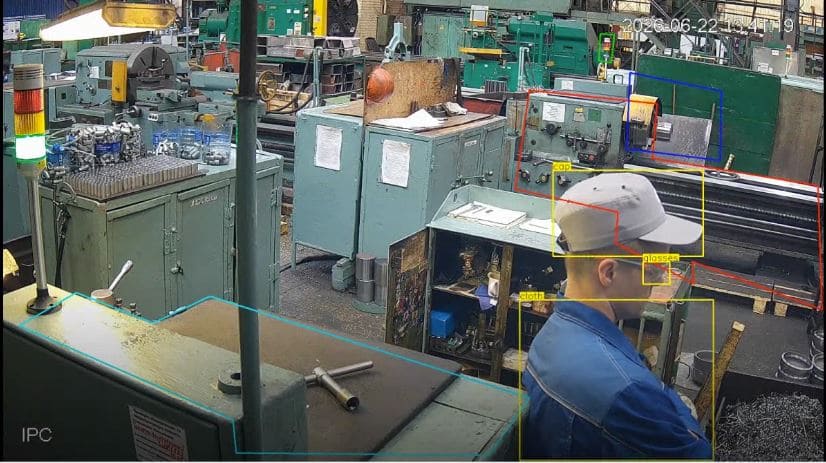
PPE control
Helmet, goggles, gloves, mask, respirator, workwear, fall protection, face shield and other protective equipment.
Hazardous zones
Entry into hazardous and restricted zones, crossing barriers and signal tape, approaching risk areas.
Work at height
Fall-arrest harness, restraint system, lanyard and control of leaving the work area boundaries.
Smoking and devices
Detection of smoking, phone use and distracting devices at workplaces.
Smoke, fire, sparks
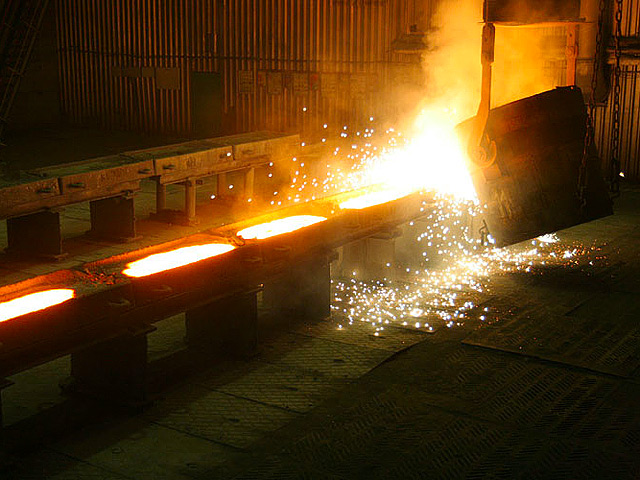
Early detection of smoke, fire, sparks and other events requiring response.
Falls and incidents
Recording falls, emergencies, evacuation and counting people in the incident zone.
Ladders and scaffolds
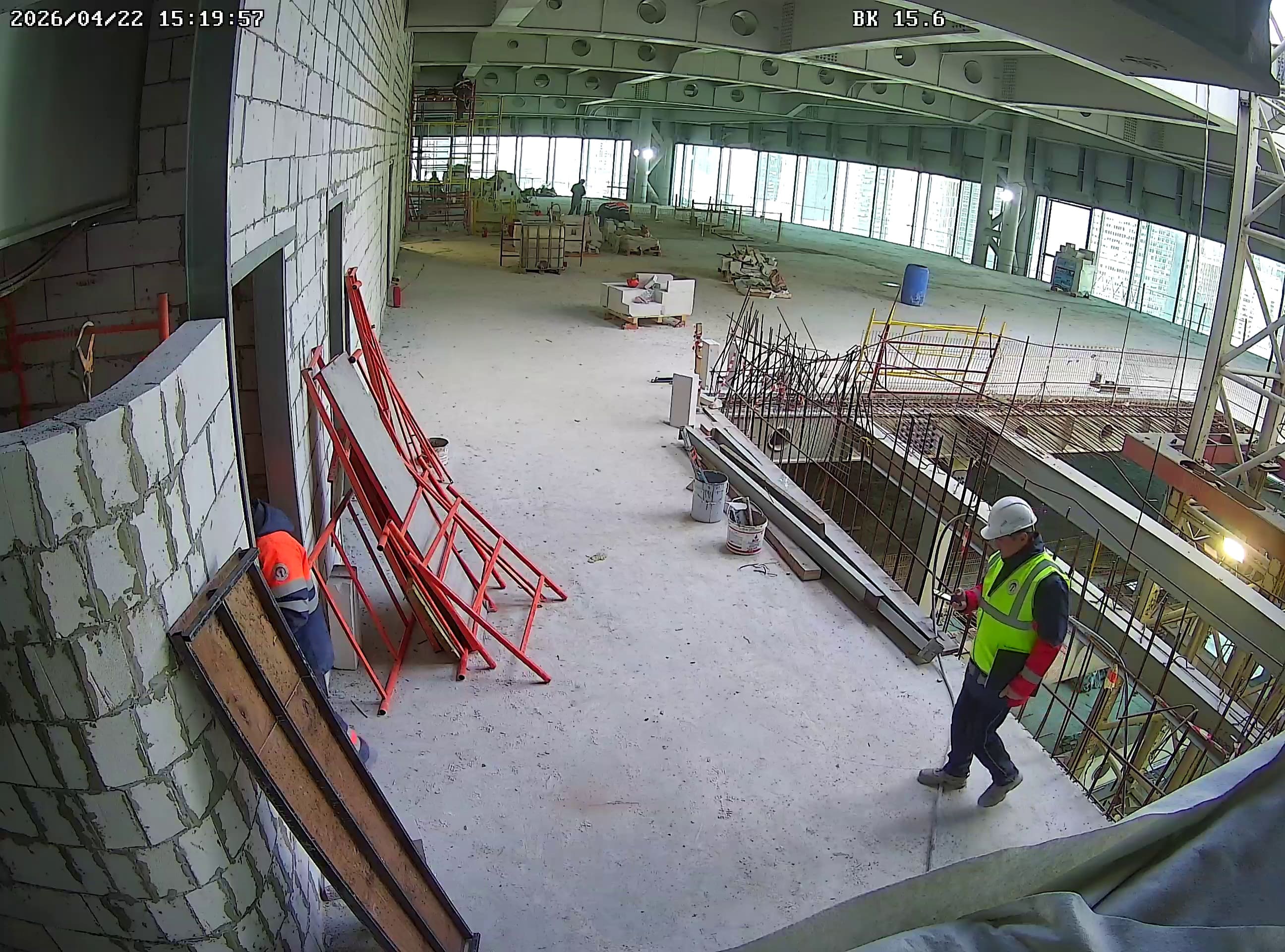
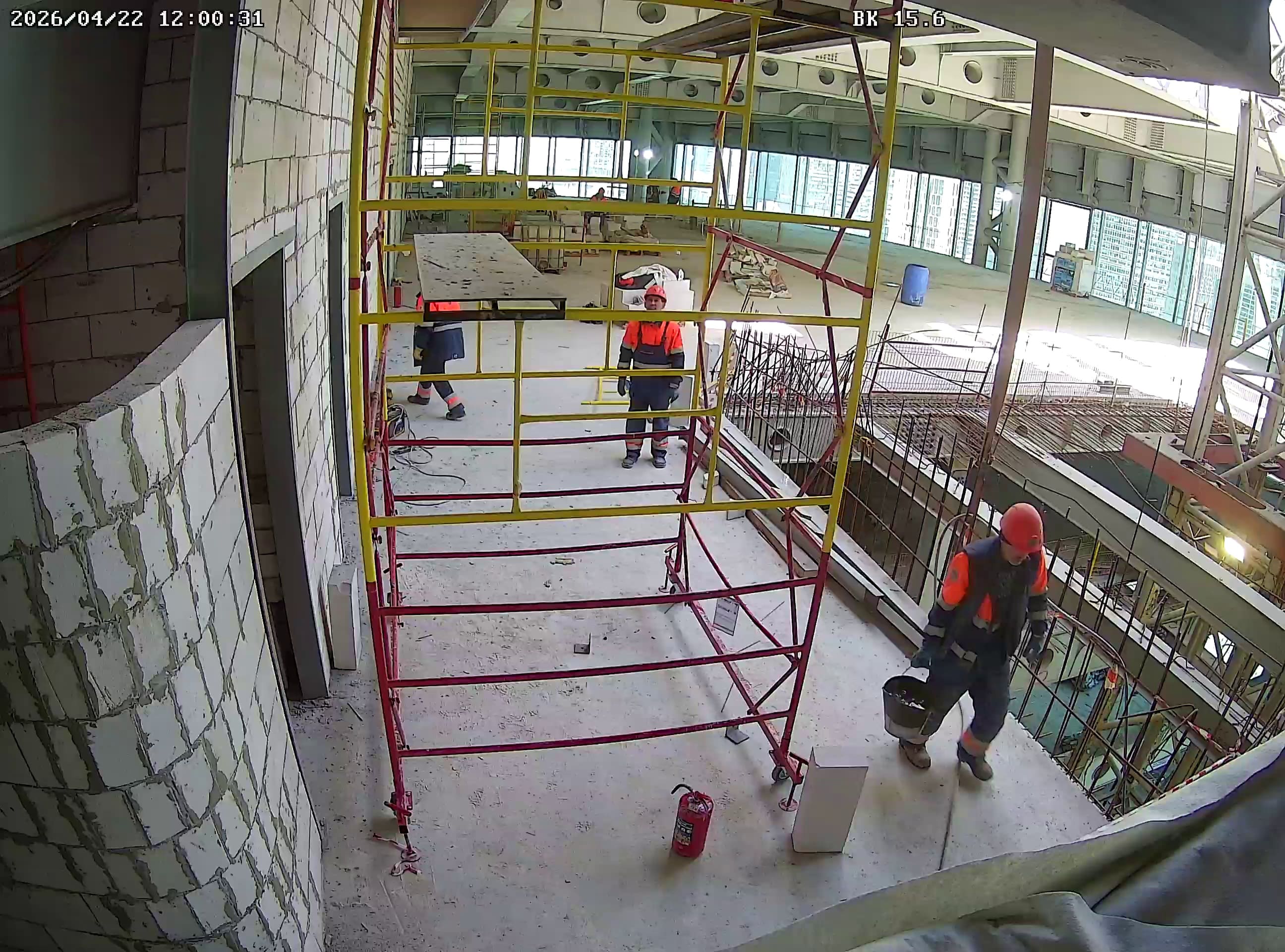
Control of portable ladders, temporary scaffolds and exclusion of improvised items such as boxes or boards.
Dynamic zones
Control of people under suspended loads and in machinery operating zones.
Barrier crossing
Unauthorized entry, control of crossing barriers and passages.
Evacuation
Evacuation control and people counting in the emergency zone.
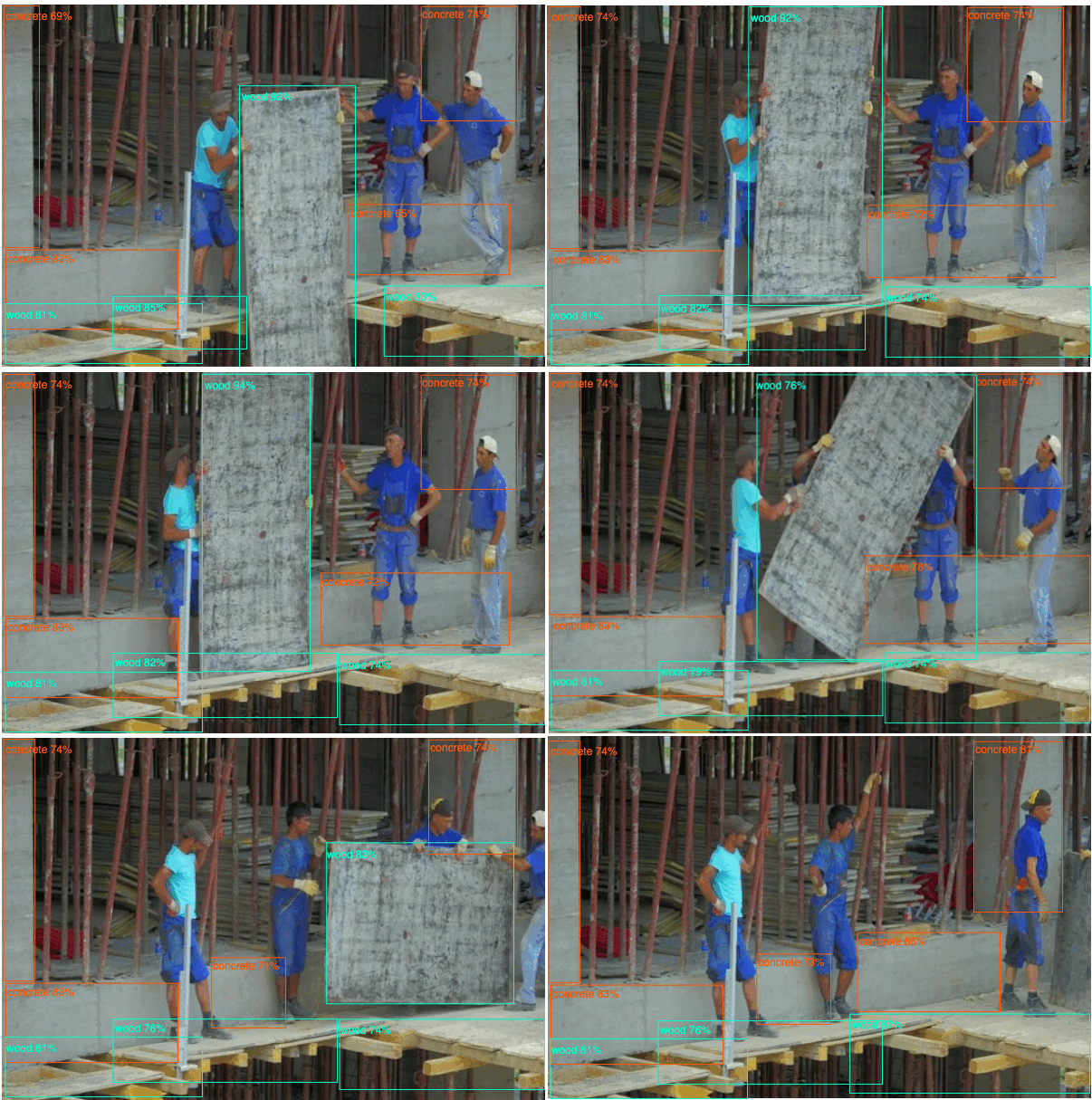
Lifting works, construction, machinery
Industrial safety control during lifting, loading and construction works
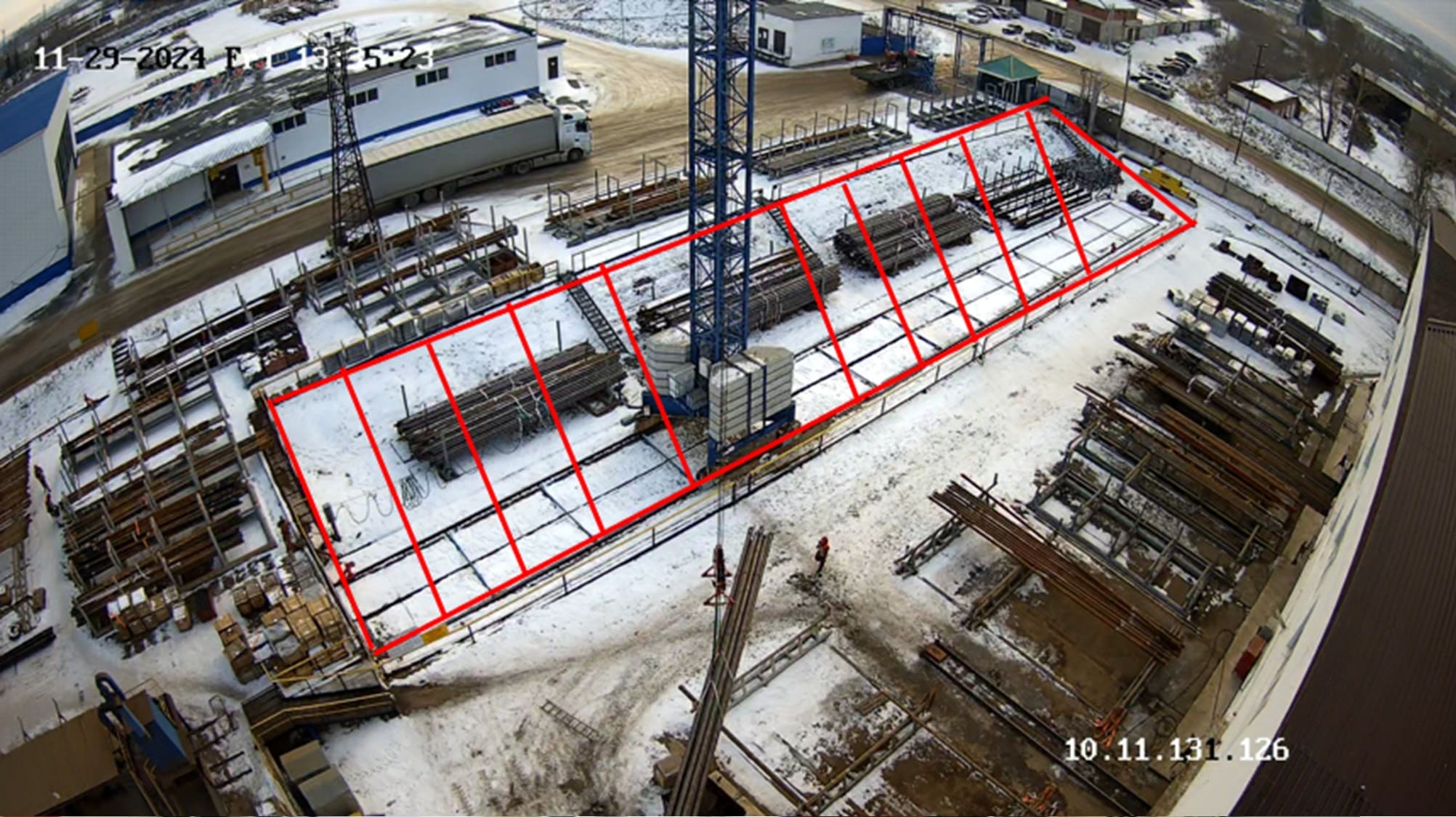
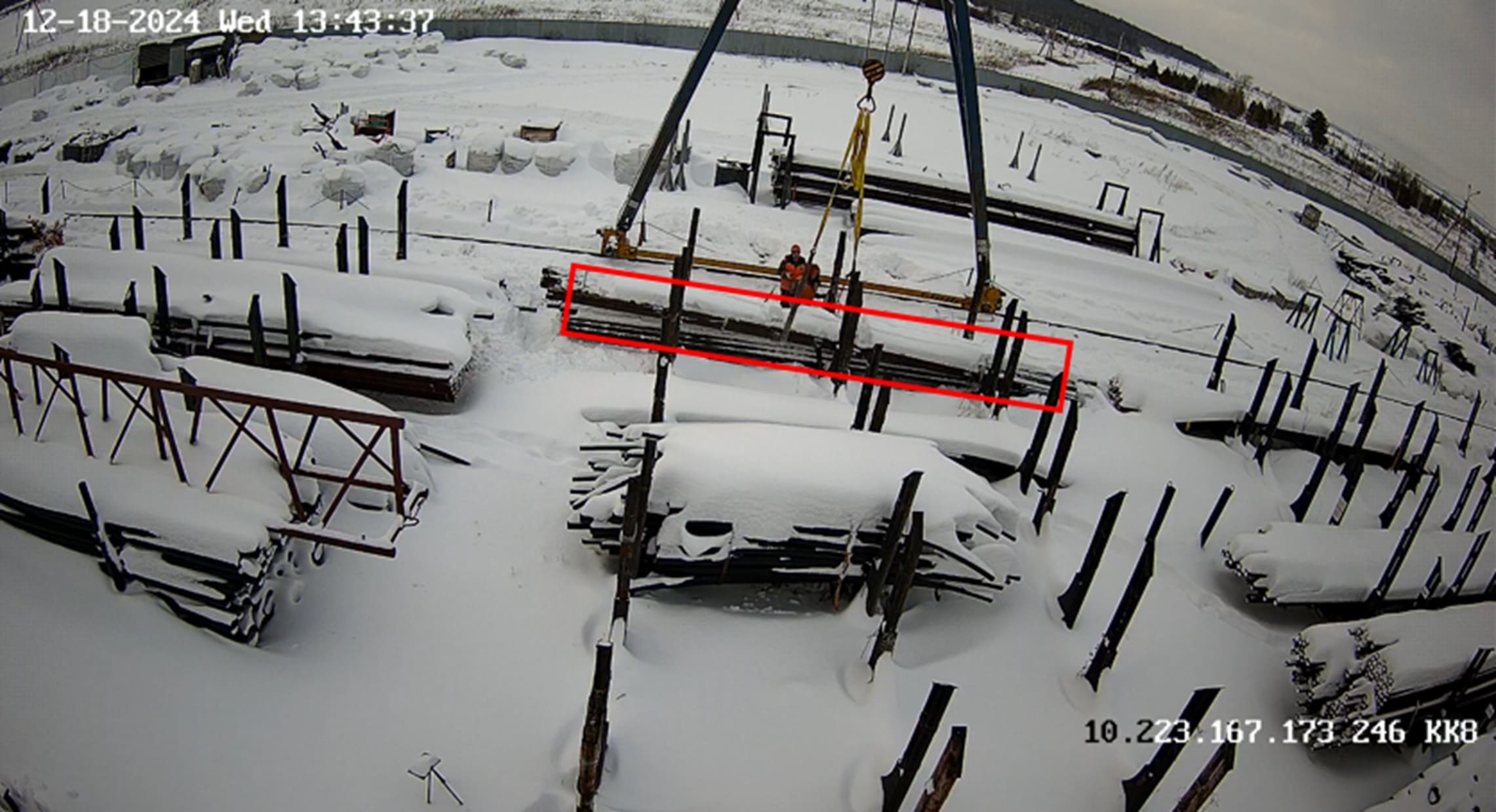
For construction sites, lifting areas, work at height, earthworks, gas-hazardous and hoisting operations, the platform controls perimeters, people in hazardous zones, load position, movement of special equipment and safety compliance in real time.
- Detection of people in lifting zones, under loads, near operating machinery and outside permitted routes.
- Control of hoisting operations, equipment routes, work at height, fall protection and access by unauthorized people.
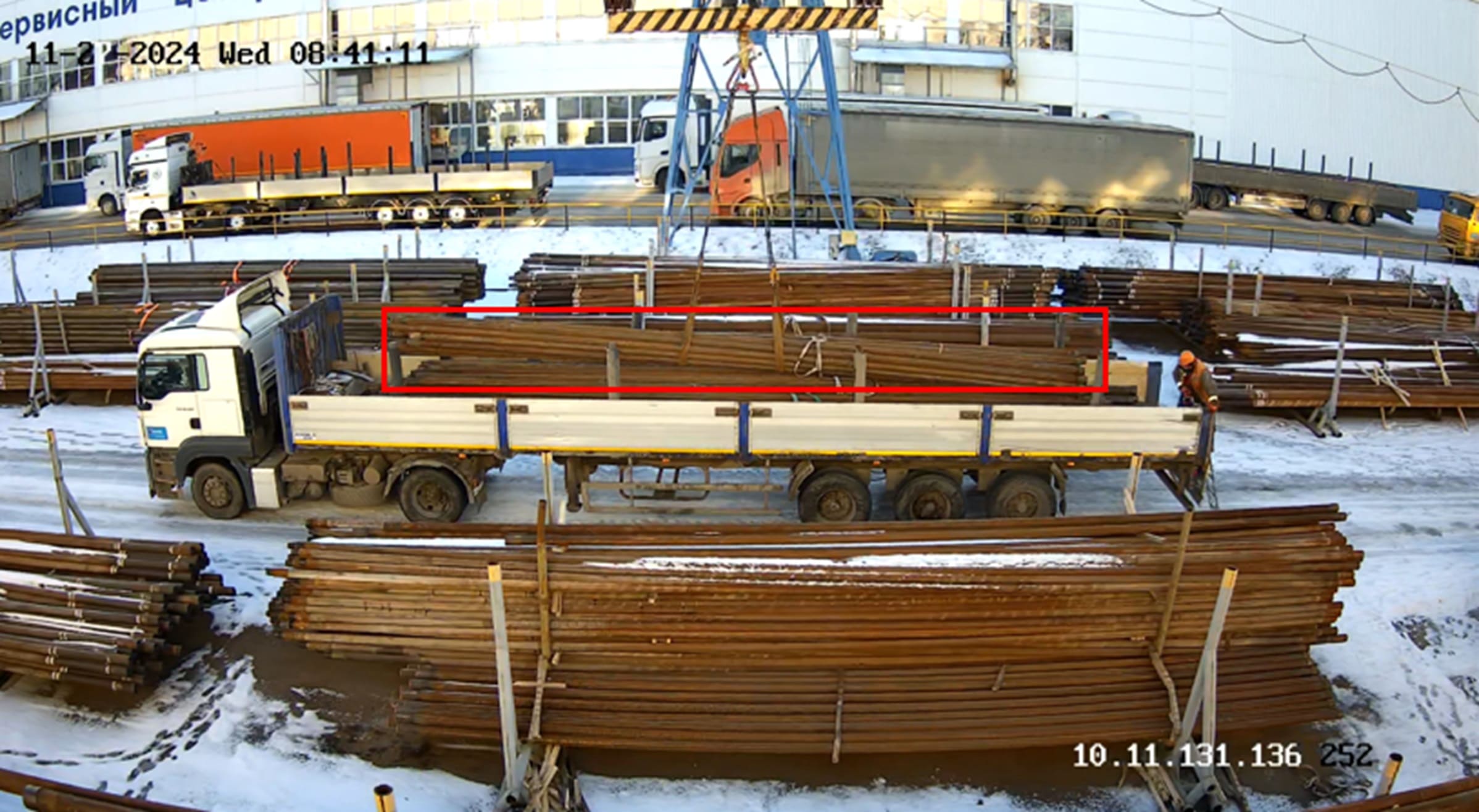
- Detection of load or spreader beam deviation from horizontal, signs of off-center rigging and dangerous movement.
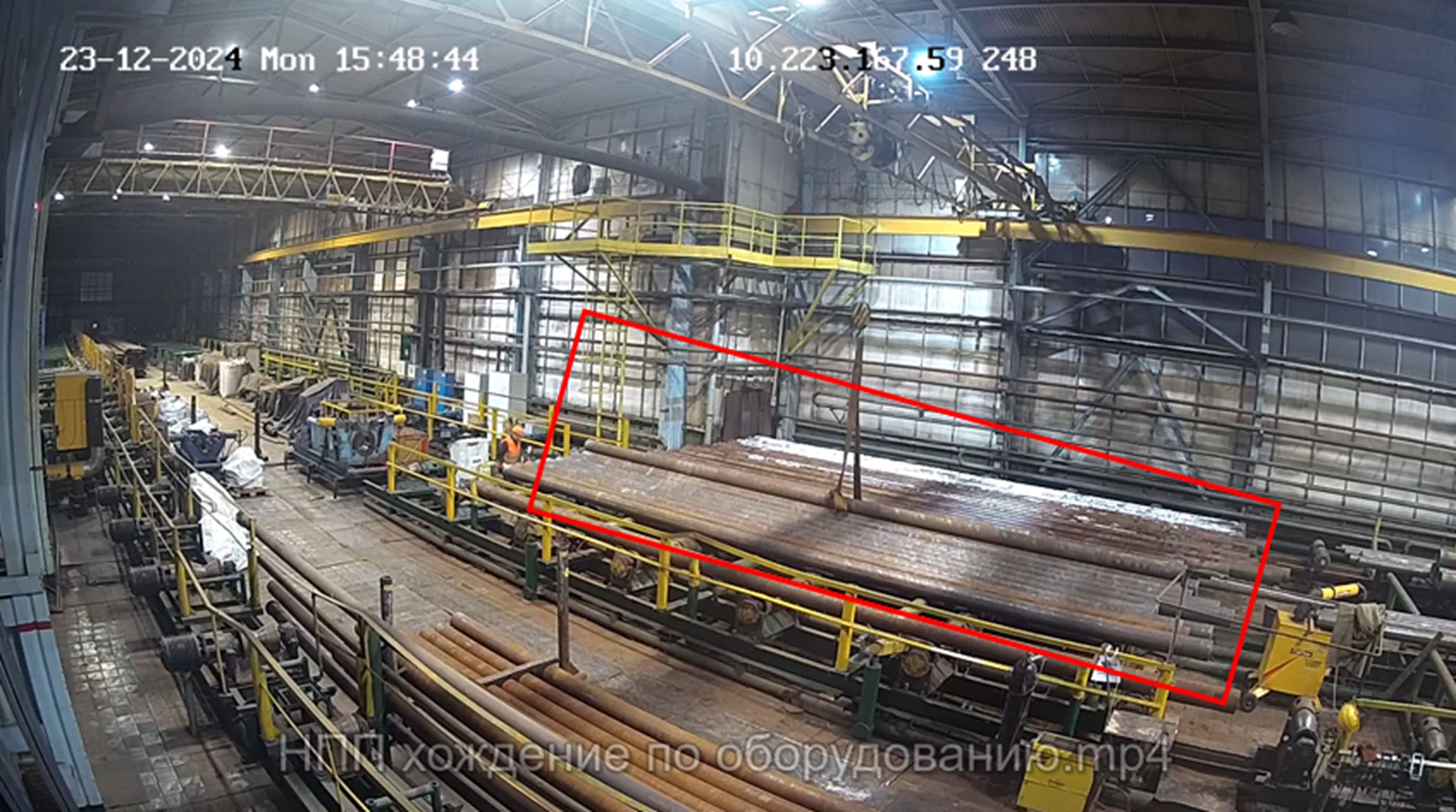
- Control of material layout, clear passages, people on equipment, pipes, ladders and temporary structures.
- Recording PPE violations, hazardous perimeter crossings, outsiders and abnormal contractor actions.
-60%Potential incident risk reduction
24/7Real-time site and machinery control
EmergencyAlerts on critical events without delay
SCADAIntegration with alerting and shutdown systems
Cranes and rigging
Control of load position, deviation angle, centering, lifting zone and correct rigger actions.
Lifting hazardous zones
Unauthorized people, perimeter crossing, signal tape crossing, presence under load and approaching machinery operating zones.
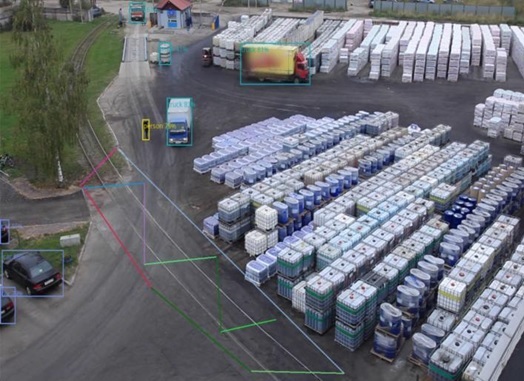
Storage and passages
Control of pipes, rolled metal and material layout, clear passages and safe personnel movement.
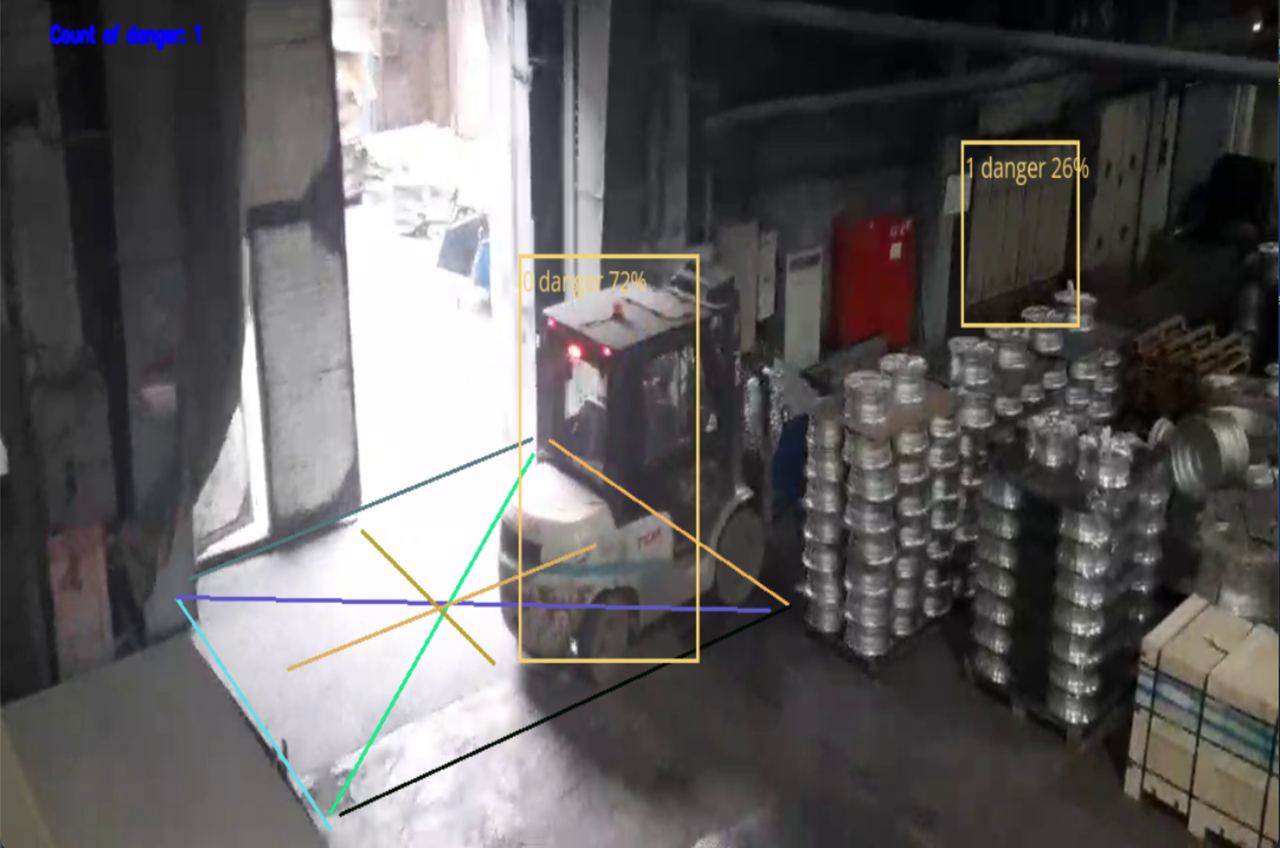
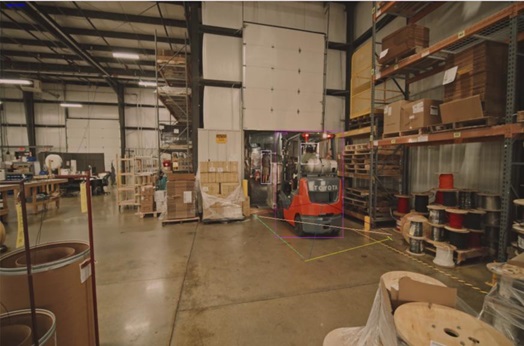
Forklift and special equipment
Forklift operation, vehicle collision, transport movement and route control.
PPE and discipline
Helmet, vest, fall-arrest harness, gloves, access to permitted zones and recording actions requiring response.
Work at height
Harness, restraint system, ladders, cradles, scaffolds and visibility zone of the responsible performer.
Permits to work and briefings
Briefing and permit-to-work audit
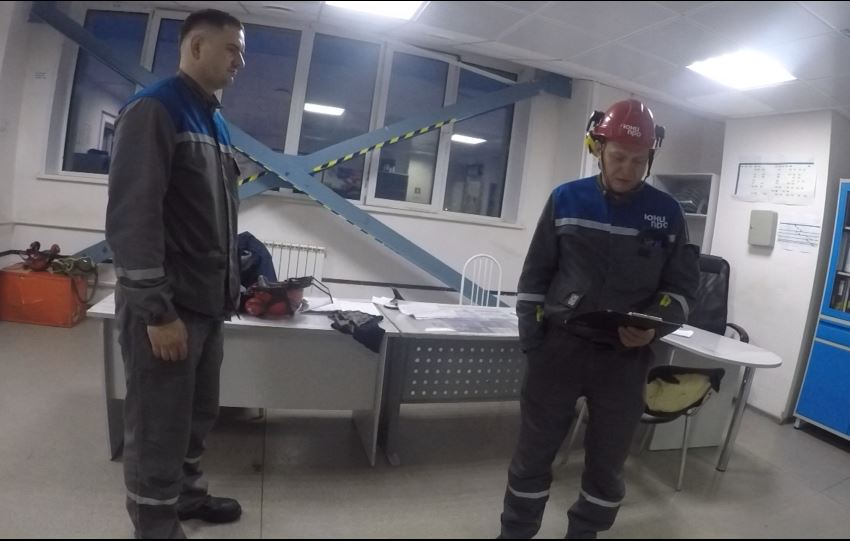
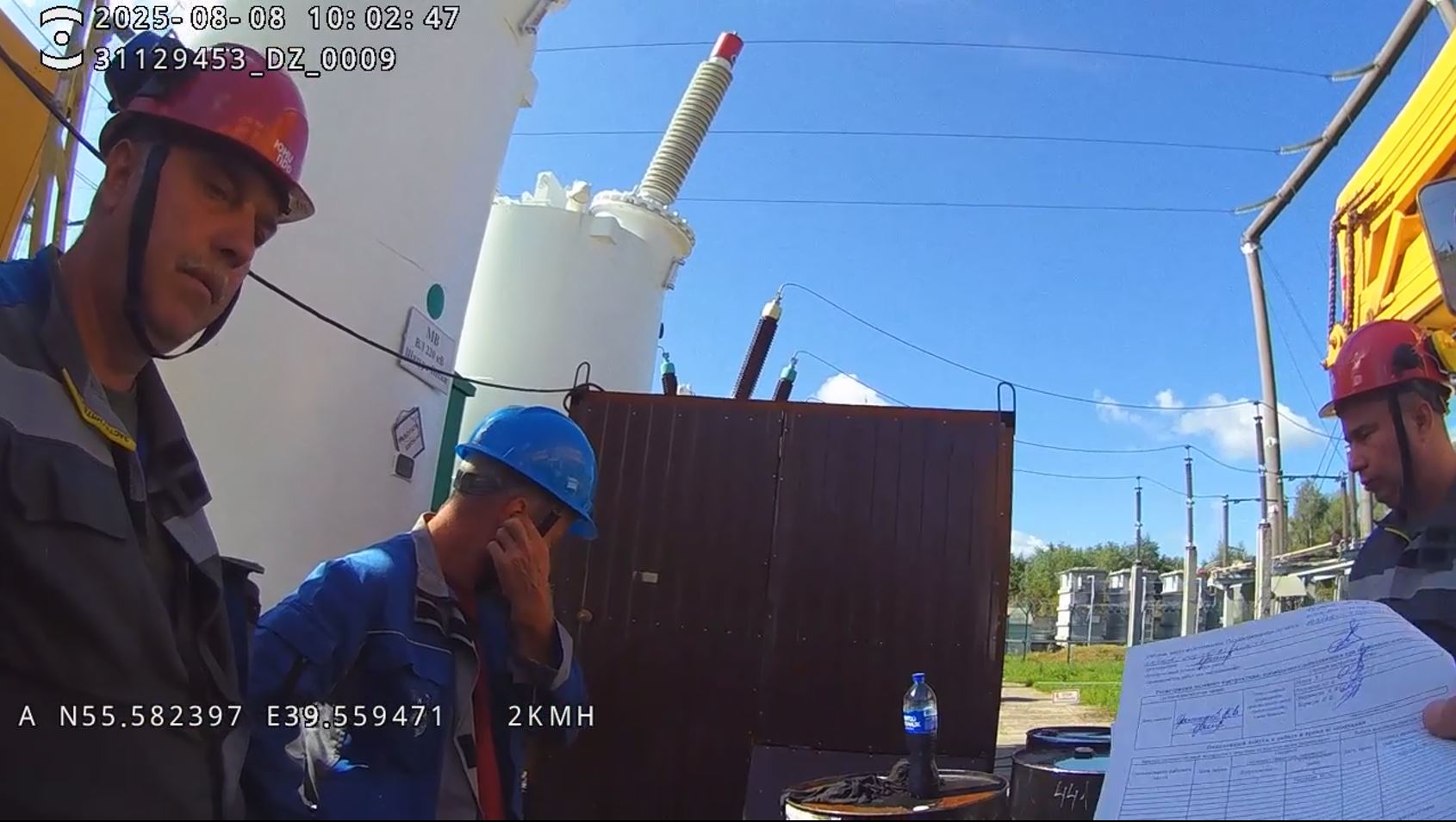
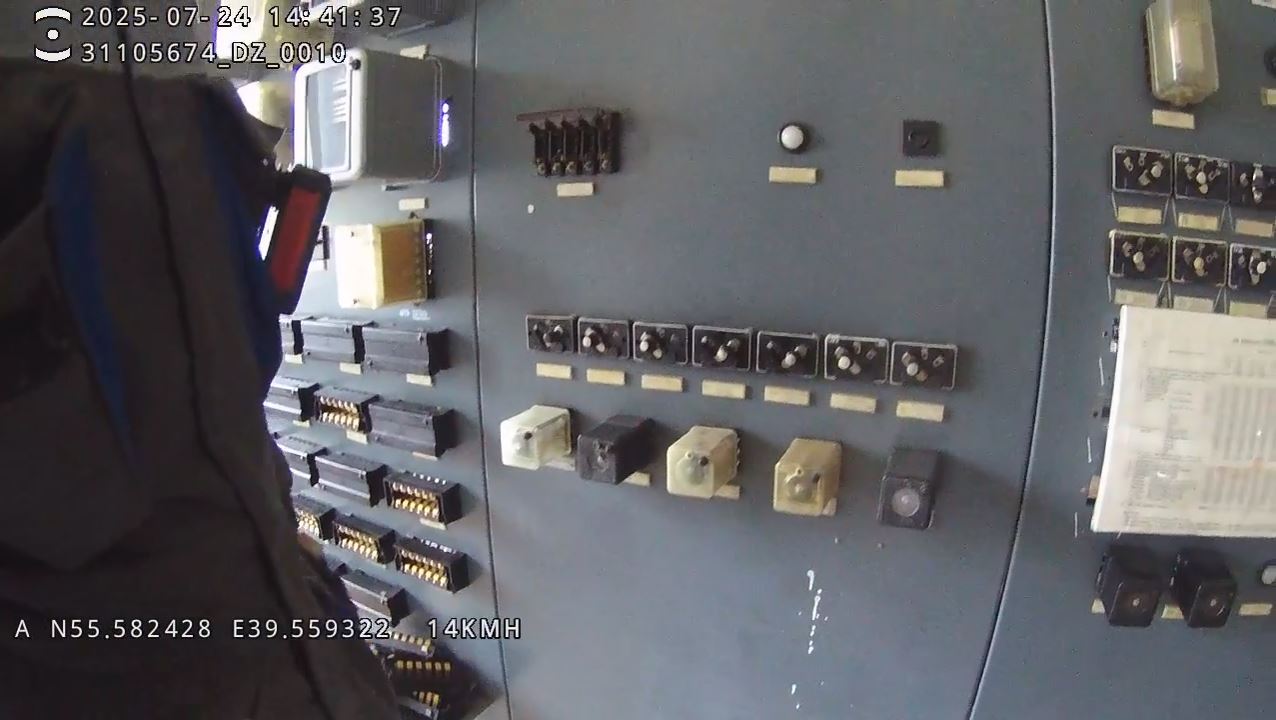
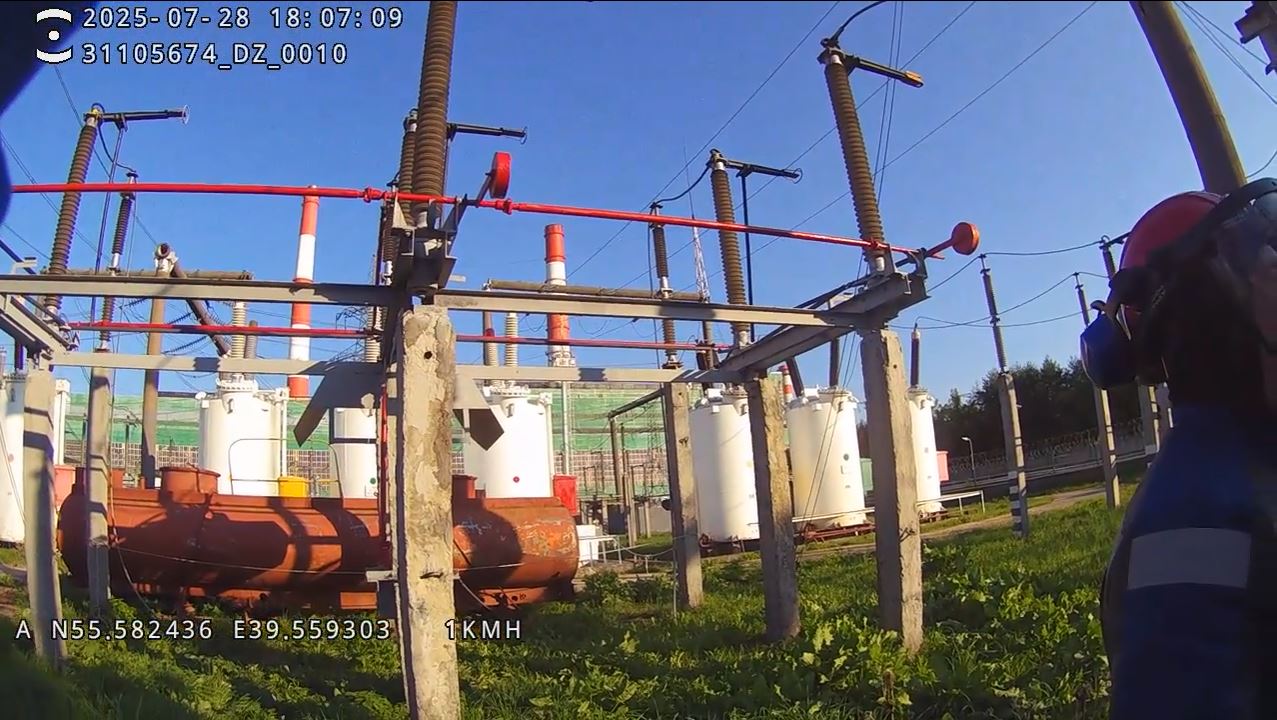
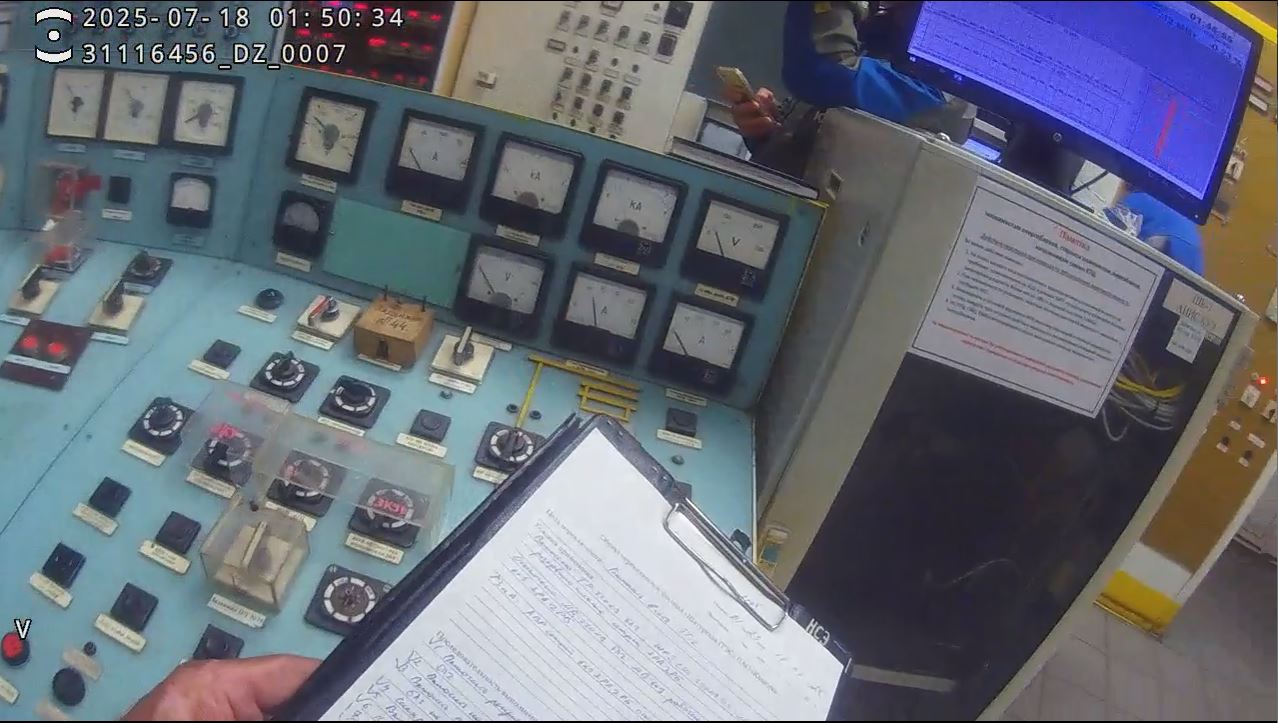
The platform analyzes archived recorder videos: checks video integrity, extracts audio, recognizes speech, compares briefing content with the permit to work and records visual signs that the procedure was performed.
- Checks that the responsible person stated the date, PTW number, hazards, risks, PPE/RPE, roles and work sequence.
- Controls briefing fact, health-status questioning and responsible person presence for at least the required share of time.
- Detects recording sabotage: recorder shutdown, camera turned away, lens covered or view blocked.
- Creates an evidence card with timestamps, frames, audio/video fragments and an explanation for each item.
Recorder video
ASR + LLM
Timestamps and evidence
1. PreparationChecking recording, camera view, participant presence and facility readiness for briefing.
2. BriefingSpeech recognition and checking voiced requirements against the permit to work and checklist.
3. WorksTransferring results to high-risk work control: height, PPE, hazardous zones, barriers and discipline.
What we check in the briefing
- Date, PTW number and briefing fact.
- Hazards, risks, PPE/RPE, roles and work sequence.
- Health-status questioning, crew composition and responsible person presence.
- Preparatory measures and facility handover.
How we use the recording
- Video remains the source evidence, audio is extracted from the same recording.
- ASR converts speech to text, LLM checks content against PTW requirements.
- CV/VLM helps confirm people presence, camera view and signs of sabotage.
- Complex items are moved to manual review status with the fragment saved.
Check result for each checklist item
ConfirmedFact found in video, audio or documents.
ViolationThere is a mismatch with PTW requirements or regulation.
Review requiredInsufficient view, recording quality or formalized criteria.
Workforce efficiency
Workforce efficiency analysis, work process and personnel control
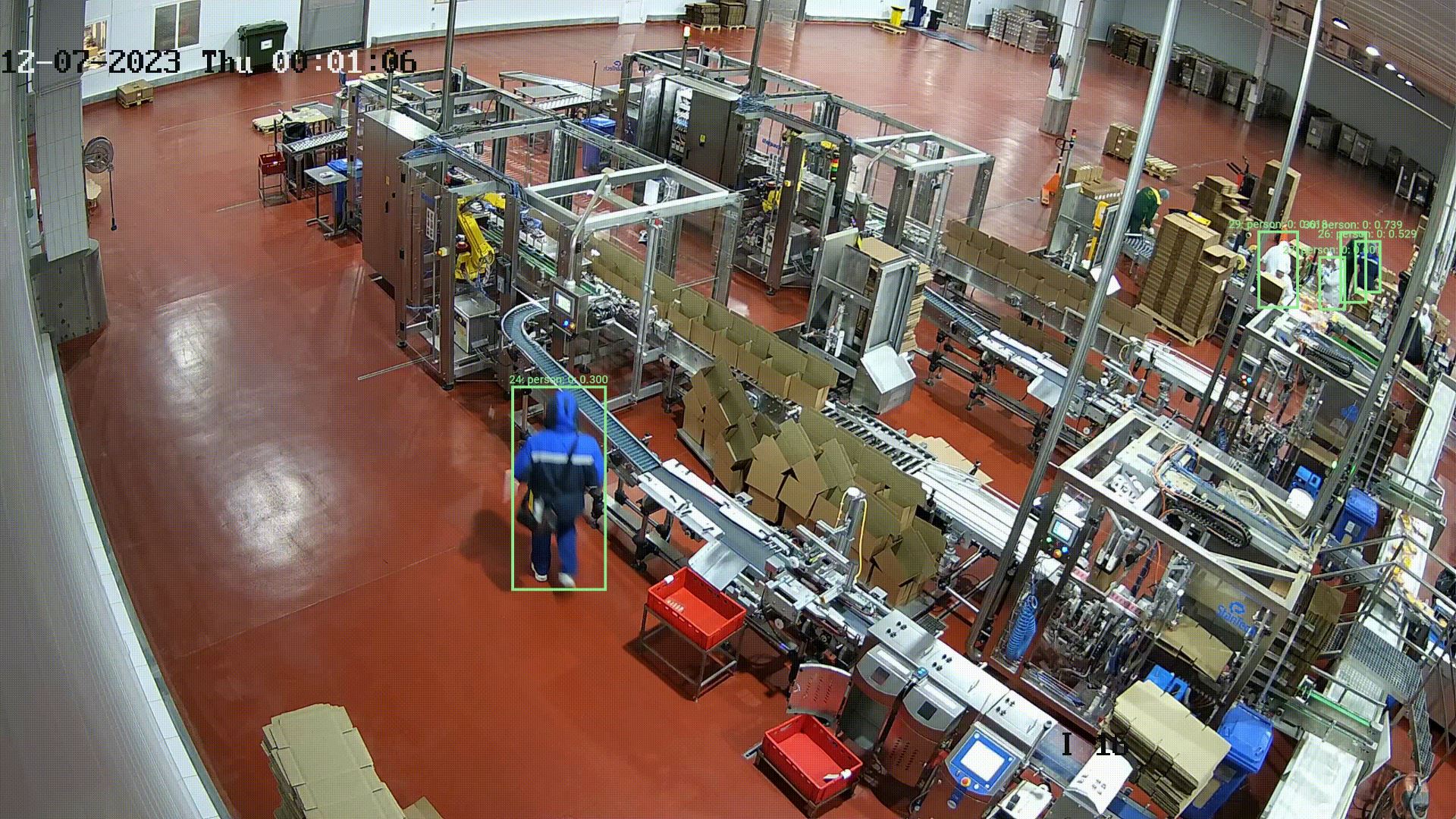
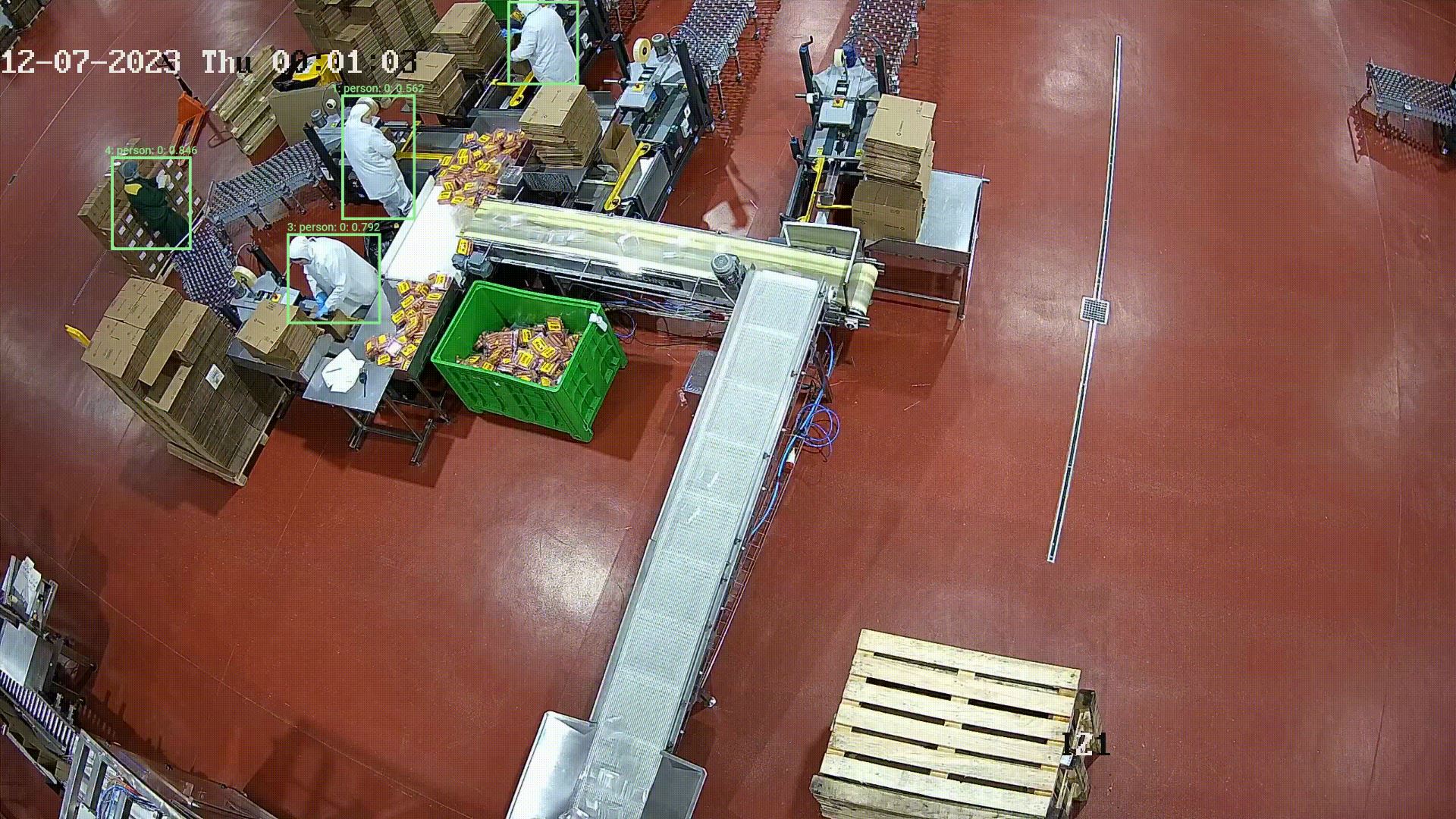
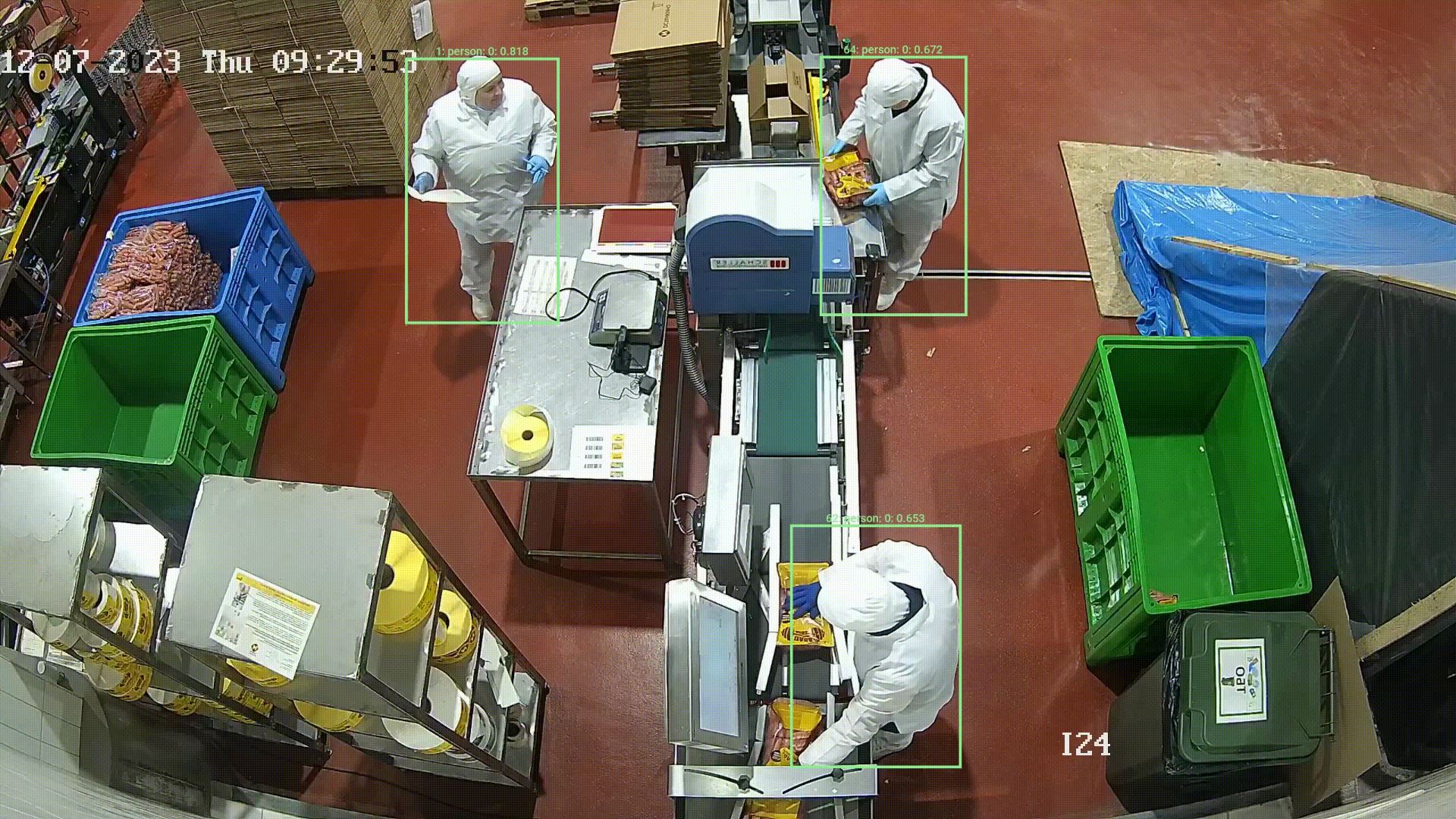
The platform helps objectively evaluate actual occupancy, route compliance, discipline and workforce utilization. Video turns into measurable indicators by shifts, teams, areas and contractors.
- Control of absence, early departure, lateness, downtime and non-working time.
- Assessment of employee activity, workload and compliance with patrol routes.
- Counting personnel, queues, bottlenecks, work density and department KPIs.
- Control of actions, operation sequence and deviations from work regulations.
Up to 25%Potential productivity growth
24/7Objective control of processes and occupancy
-30%Potential reduction of downtime and inefficiency
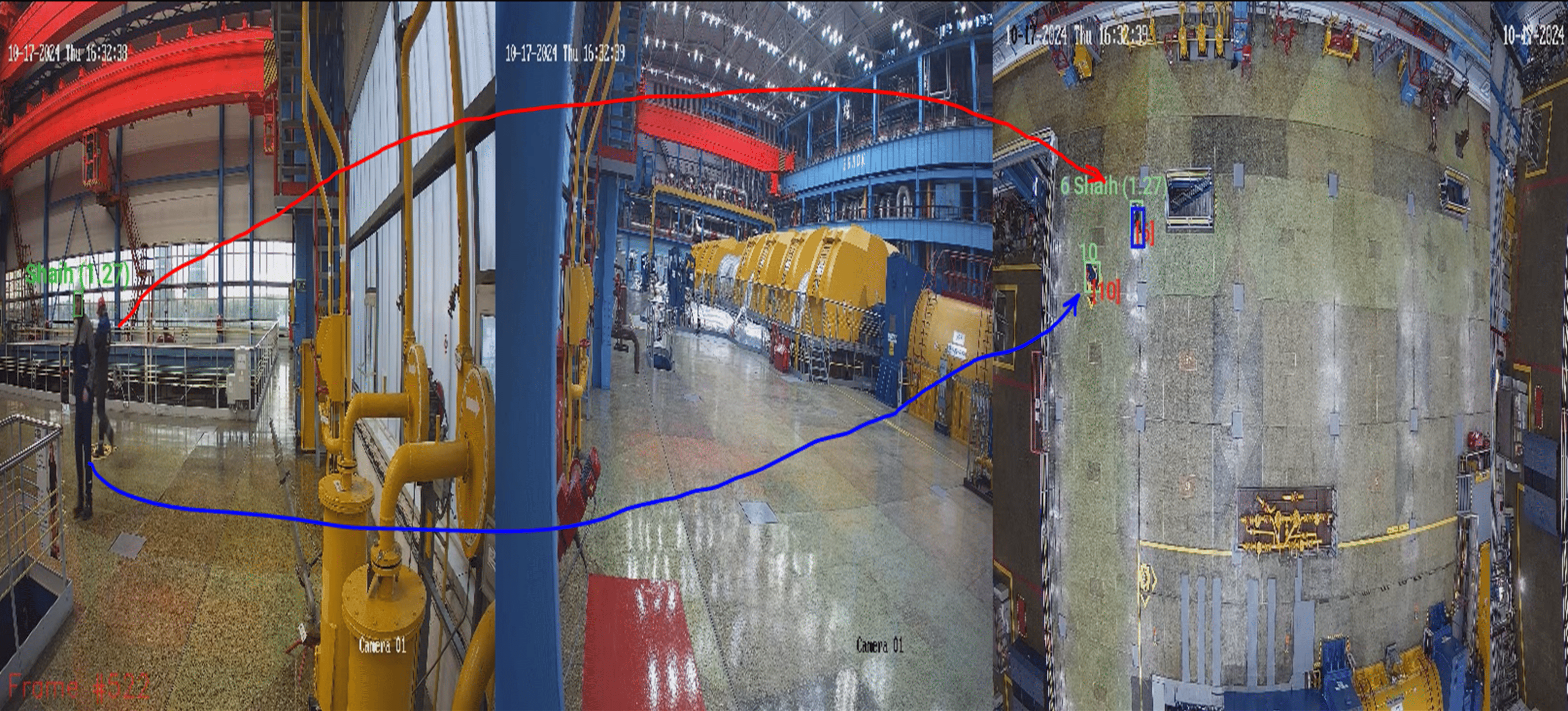
Re-IDCross-camera tracking helps find a person across different cameras
Presence at workplace
Control of absence, early departure, lateness and actual presence time.
Downtime and inactivity
Recording non-working time, stops, waiting and loss of work rhythm.
Employee activity
Assessment of work intensity, workload and actual personnel occupancy.
Patrol routes
Control of regulated routes, rounds, checkpoint coverage and route deviations.
Contractor work
Control of contractor presence, actual occupancy and discipline compliance.
Crowding and discipline
Conversations, crowding, distractions, device use and entry into restricted zones.
Restricted zones
Personnel entry into service zones and unauthorized access
Cross-camera tracking
Object identification if it temporarily leaves the frame or changes angle
Personnel counting
Number of people in a shop, zone, shift, area or crew.
Heatmaps and KPIs
Analysis of work density, bottleneck zones, shift comparison and automatic reports.
Open sites and temporary zones
Open-area work control and mobile complexes
Mobile complexes are used where there is no permanent video infrastructure or the facility changes configuration quickly: construction sites, repair zones, open warehouses, field works, temporary perimeters and autonomous control areas.
- Fast deployment of control at any site without lengthy setup or personnel training.
- Autonomous operation without connection to a stationary network, resistant to dust, water, shock and temperature changes.
- PPE control, group work, outsider absence and temporary hazardous zone crossing.
- Activity identification, downtime control, rational use of special equipment and tooling.
- Personnel condition monitoring, audio and speech analytics, support for wearable and stationary recorders.
3 minComplex readiness at a new point
AutonomousOperation without permanent network infrastructure
Any facilitySites, temporary zones, repair and field works
No manual inputAutomatic recording of events, frames and indicators
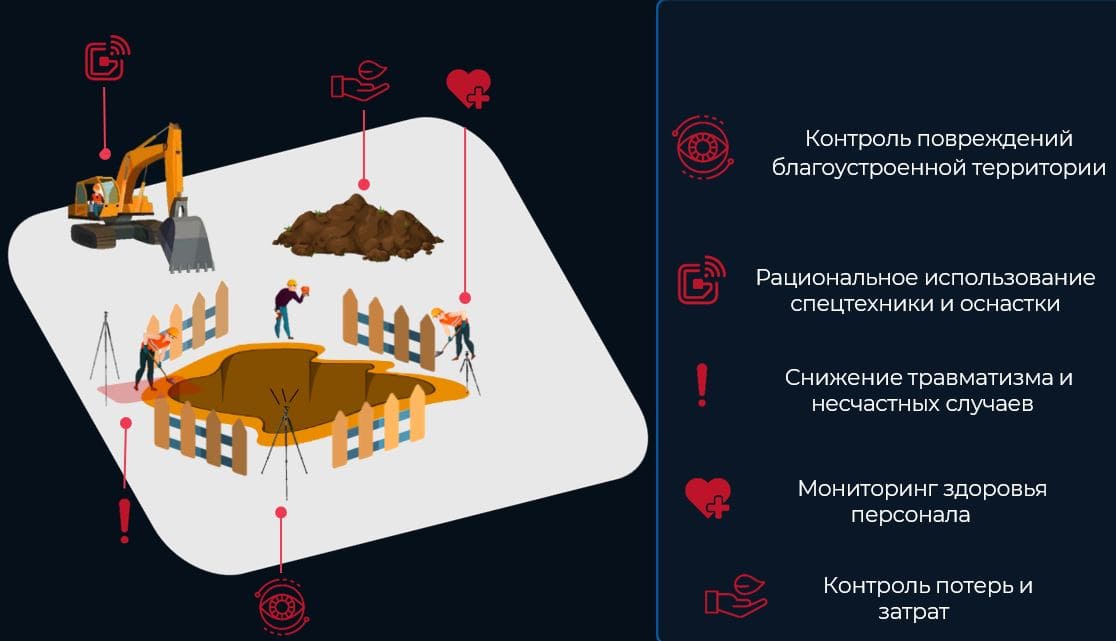
Temporary hazardous zones
Fast creation of controlled perimeters around works, machinery, excavations, assemblies and temporary barriers.
Mobility and autonomy
The complex can be moved between sites, used in field works and launched without a permanent network connection.
PPE and group work
Control of helmets, vests, gloves, employees near hazardous zones and teamwork compliance.
Special equipment and tooling
Rational equipment use, downtime control, dangerous approaches, territory damage and losses.
Recorders and audio
Support for wearable and stationary recorders, speech analytics, event recording and evidence base.
Process and equipment control
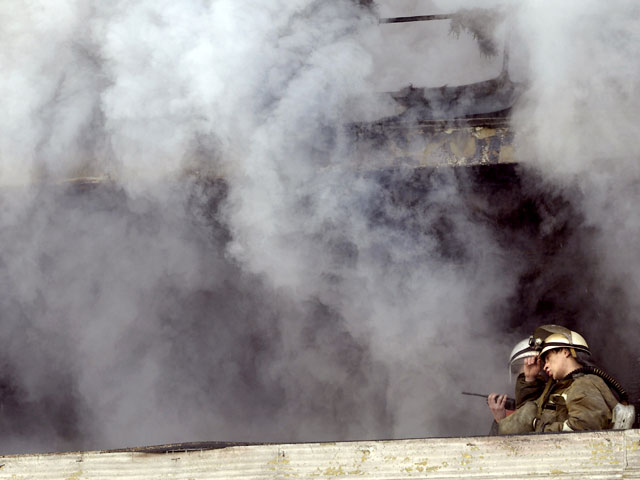
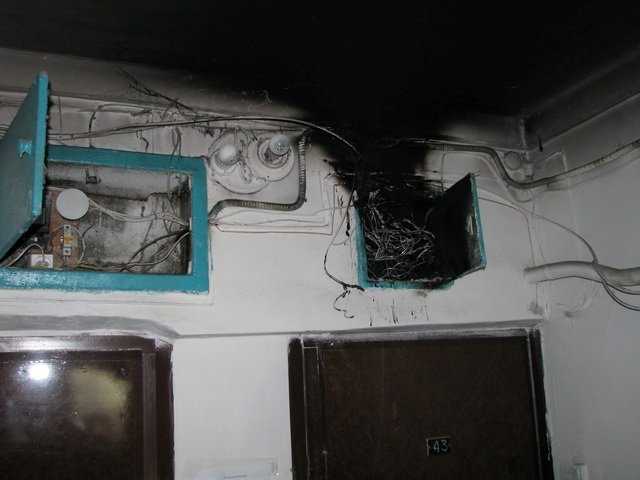
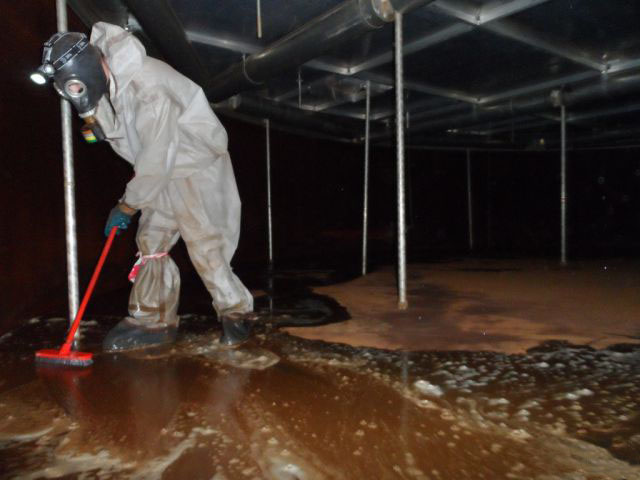
Stops, overheating, leaks, emergencies
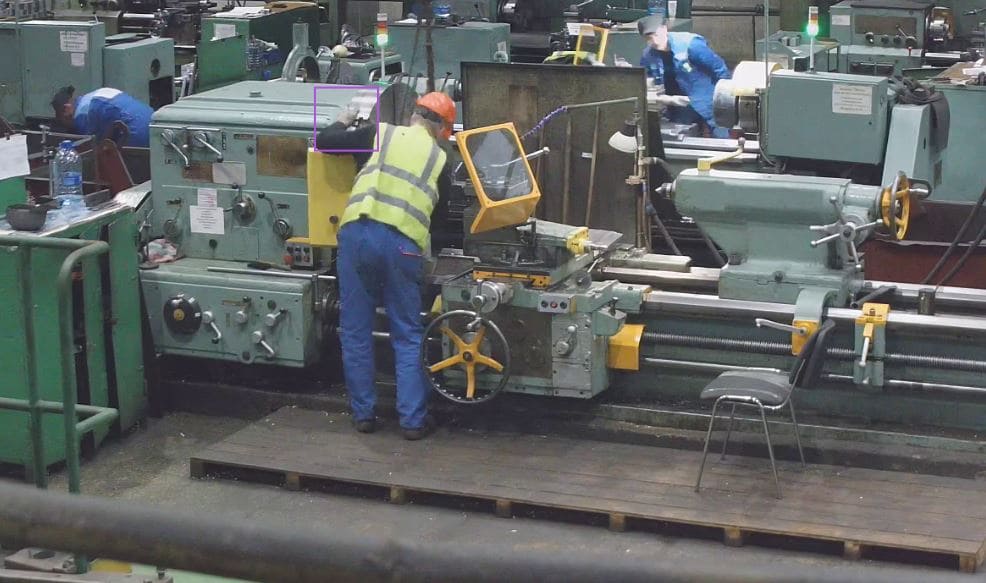
The platform monitors production lines, machines, crane equipment and process regulations, detects deviations and turns them into events, alerts and analytical metrics.
- Equipment and machinery operation control.
- Analysis of production line operation, stops, downtime and deviations from normal.
- Early detection of overheating, leaks, anomalies, defects, surface flaws and missing components.
- Support for BI / OEE analytics, ERP / MES / Modbus integrations and online production control.
-20%Potential reduction of defect-related losses
+15%Potential OEE growth and process transparency
OnlineContinuous line and equipment event monitoring
ERP / MESIntegration with production management systems
Stops and downtime
Control of equipment status, line operation and downtime by area and shift.
Overheating, leaks, anomalies
Detection of equipment deviations and hazardous process states.
Smoke, fire, sparks, spills
Monitoring of the process cycle, product stage progression and operational rhythm.
Crane / machine / robot
Analysis of crane, machine, manipulator and other production equipment operation.
Interfaces
Violation cards, events, dashboards, log and confirming frames and video
Operators and managers work with a clear toolset: incident cards, confirming frames, filterable event log, KPI dashboards and exportable reporting.
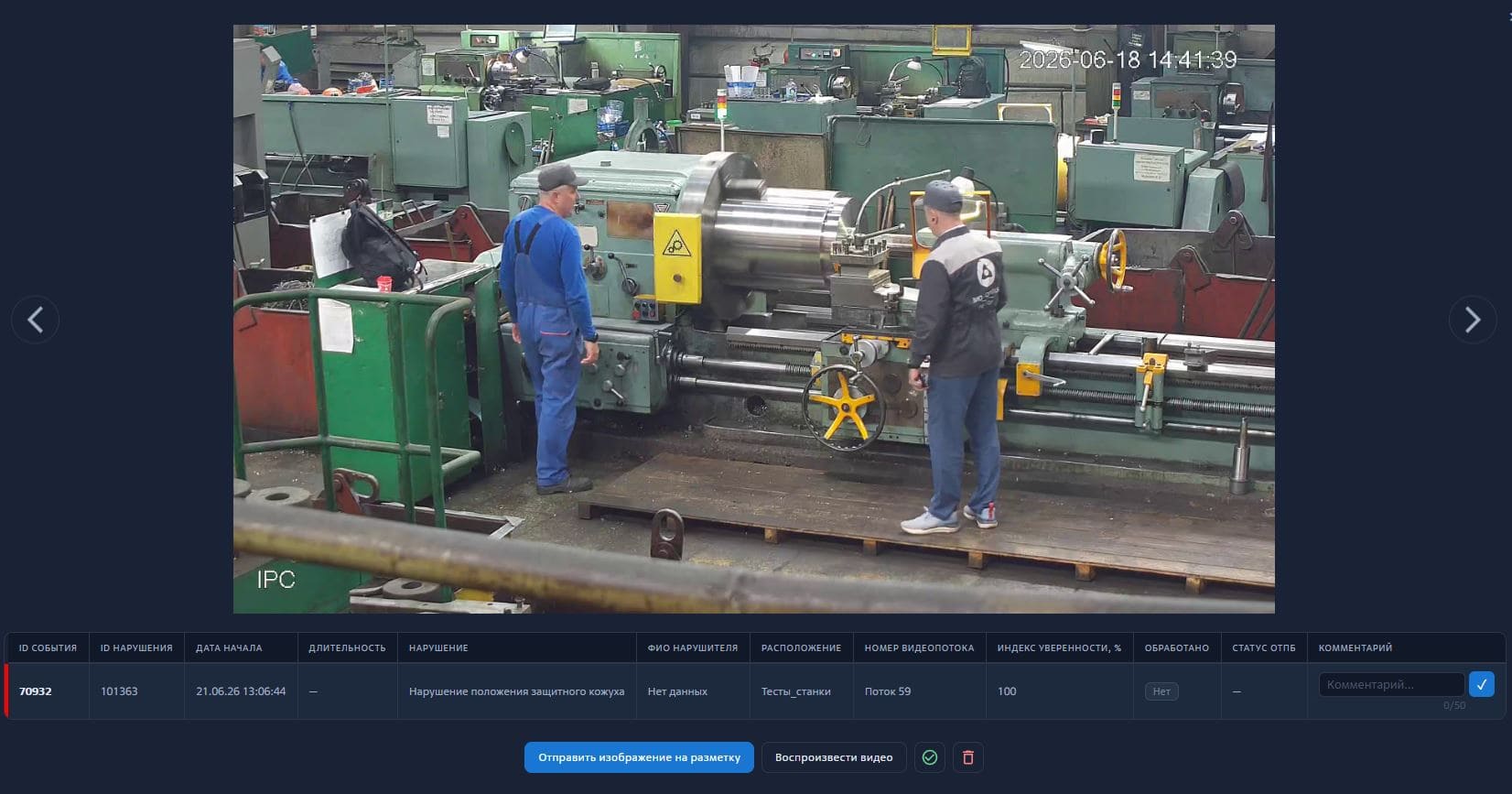
Event card
Each violation is recorded with time, zone, event type, status and visual confirmation
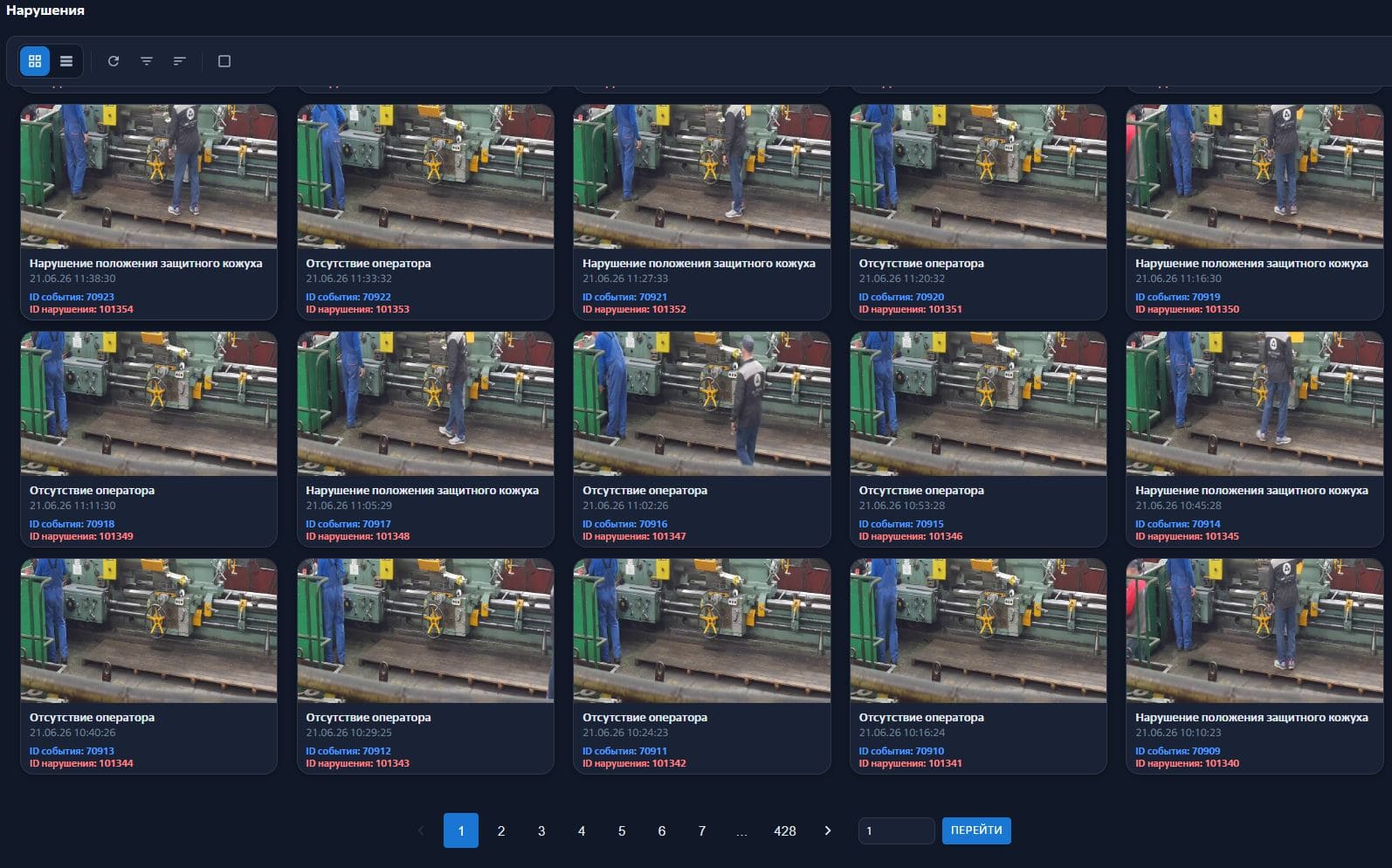
Incident log
Filtering by facility, period, scenario, responsible person and review status for subsequent analysis.
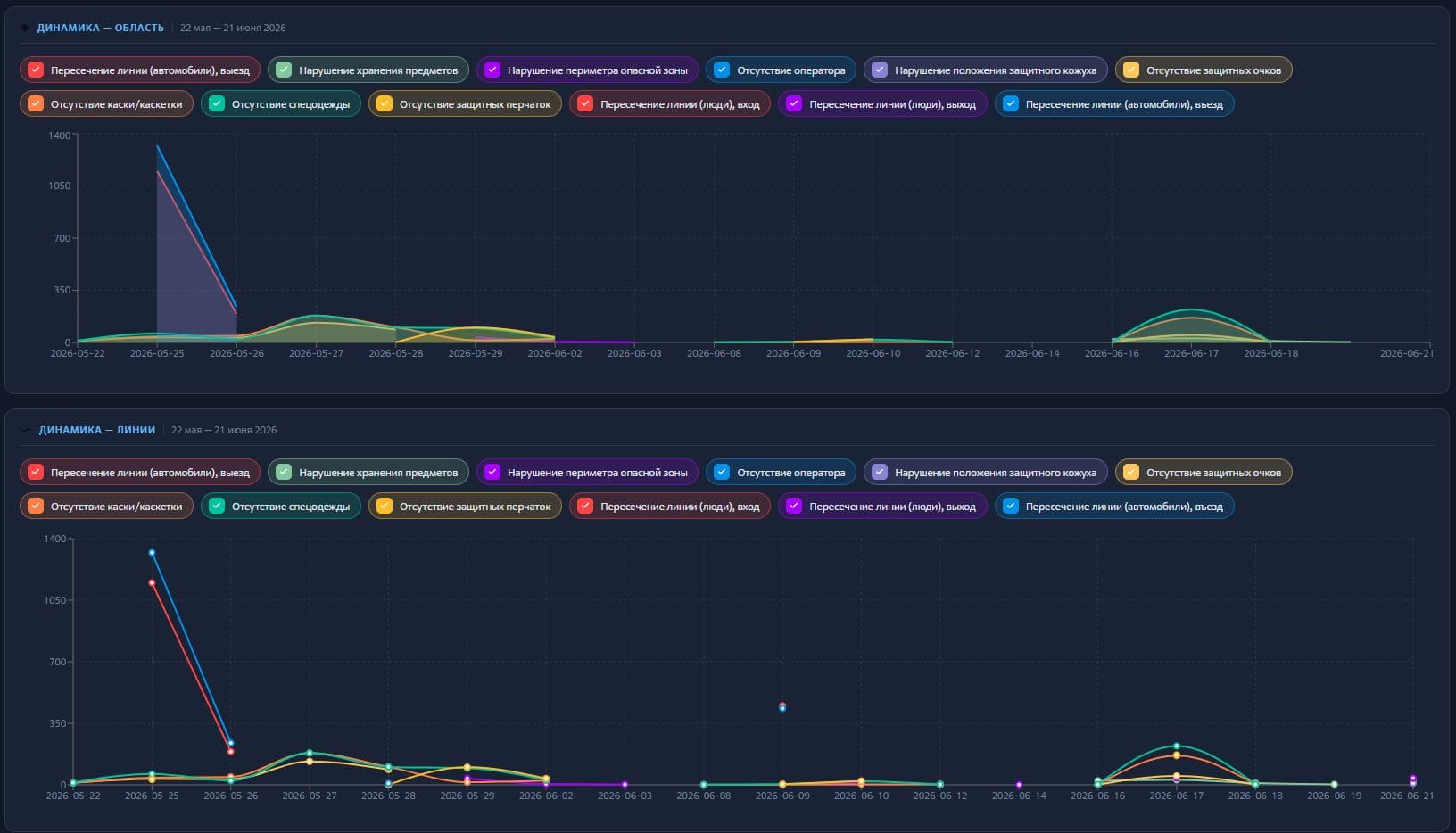
Reports and analytics
Analytics by sites, shifts and areas, number of violations, structure and type of violations
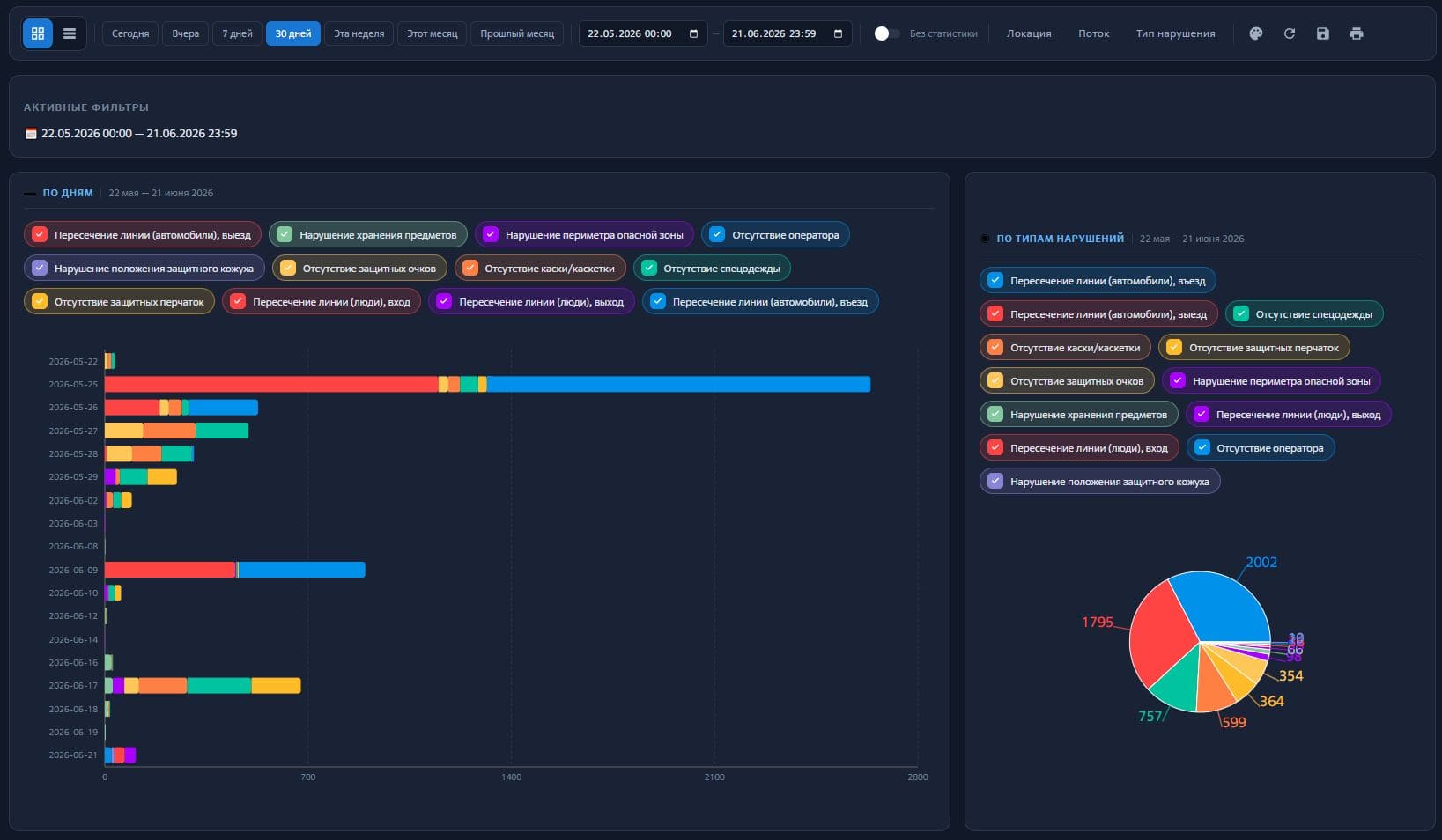
Dashboards and KPIs
Indicators by sites, shifts and areas: event count, violation structure, dynamics and priorities
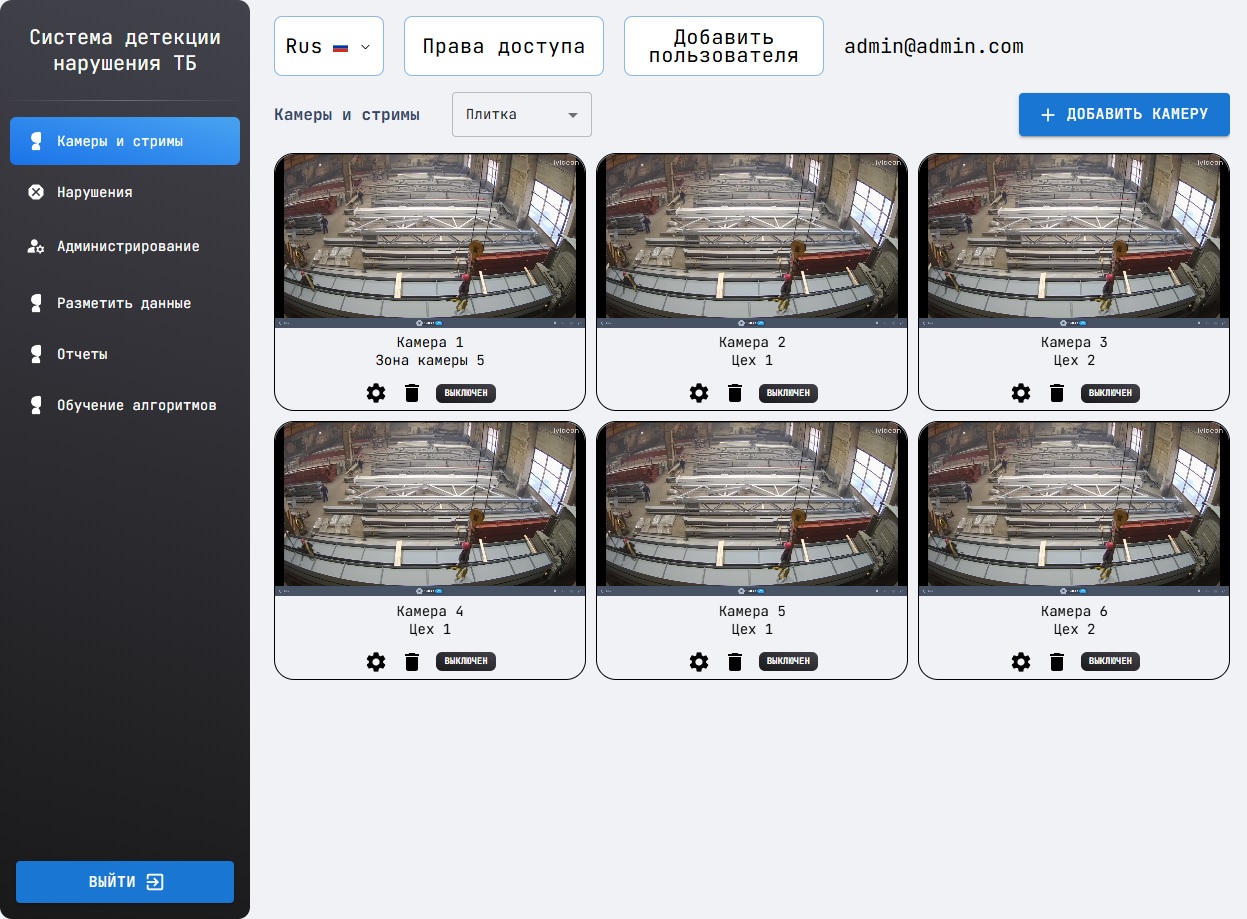
Connected video streams
All video streams in one window with filters by sites, cameras and locations
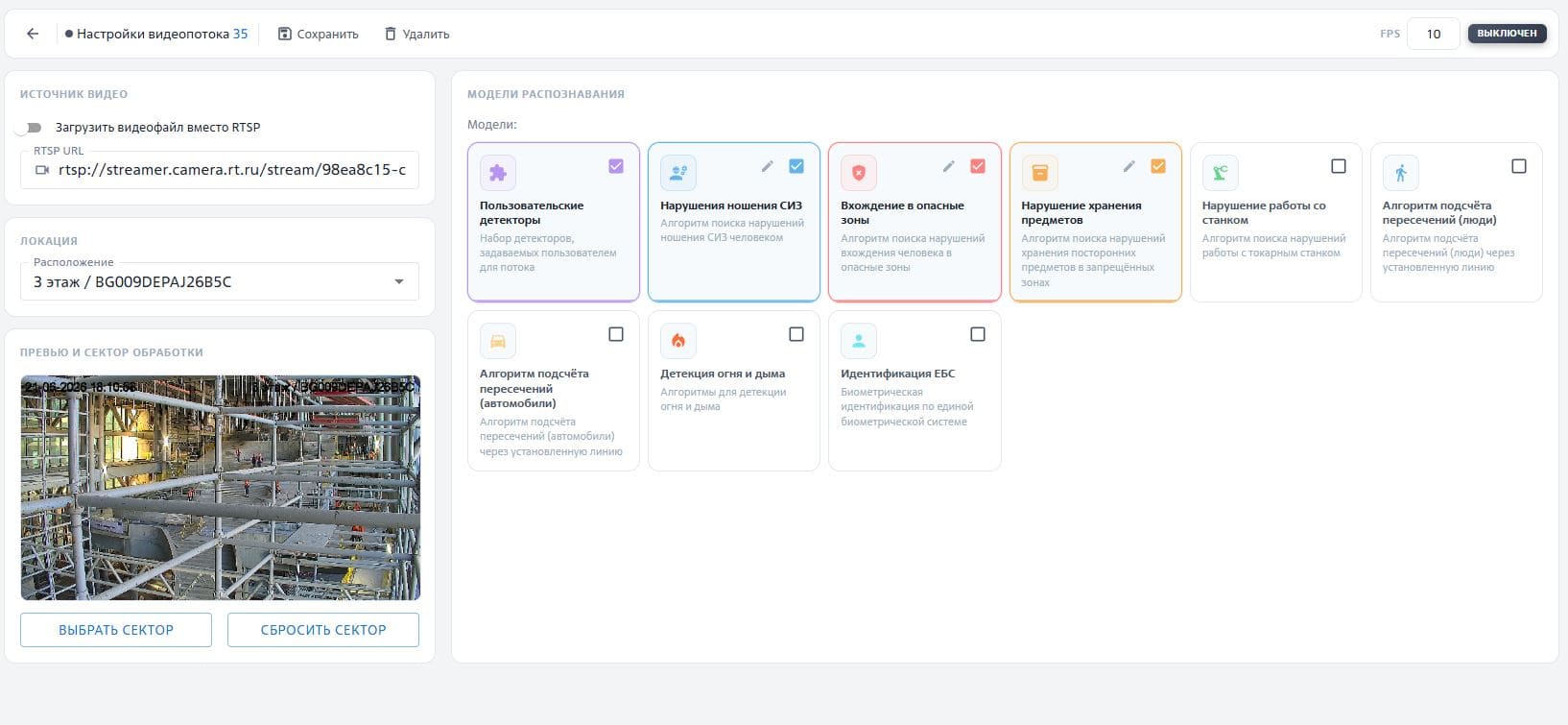
Detector setup
Setting up required detectors for each camera
Architecture and integrations
Cameras / VMS / SCADA / ERP / MES / BI / API / Telegram / Email / SMS
The platform fits into the existing enterprise infrastructure, uses already installed cameras and sends results to familiar management, analytics and alerting systems.
Data sources
Cameras / CCTV / VMSRTSP, ONVIF, NVR, existing video surveillance system.
Audio / sensors / SCADA / IoTAdditional event sources and contextual facility data.
ERP / MES / BI / corporate servicesProcess context, production data, roles and directories.
STATANLY AI Platform
Real-time analyticsDetection, classification, tracking, events and priorities in real time.
Control scenarios and model librarySafety, personnel, processes, equipment and custom scenarios.
Event engine and business logicRules, notifications, escalations, reports, BI and applied analytics.
Deployment optionsOn-Premise, Edge, Cloud or Hybrid depending on information security requirements and architecture.
Result and integrations
Dashboards and reportsKPIs, BI analytics, event archive, admin panel and reporting.
NotificationsTelegram, Email, SMS, event cards and alert flows.
API and protocolsREST API, gRPC, WebSocket, AMQP, MQTT, Modbus and database-level integration.
Authentication and enterprise environmentLDAP, Microsoft Active Directory and corporate access services.
VMS / NVR / CCTV
SCADA / IIoT
ERP / MES / BI
REST API / gRPC
WebSocket / AMQP / MQTT
Modbus
Email / SMS / Telegram
LDAP / Active Directory
Creating new models
Labeling, auto-prelabeling and fine-tuning for new cameras and new violations
The platform allows the system to develop inside the enterprise: add new models and scenarios without full development from scratch, quickly adapt detection quality to new cameras and changed operating conditions.
1. Data collection and labeling
The built-in labeling module helps quickly collect training data for the required zones, scenarios and violation types.
2. Auto-prelabeling
Automatic prelabeling speeds up dataset preparation and reduces labor costs when launching new tasks.
3. Fine-tuning and QA
If quality drops on new cameras or in a changed environment, models can be quickly fine-tuned on enterprise data.
4. New scenario in the system
A flexible scenario mechanism makes it possible to combine models and business logic for new processes, objects and violations.
Cases
Our solution is already used by
Examples of platform use at industrial, energy and infrastructure facilities. They show how one AI platform covers safety, process and operational control tasks in different environments.
EuroChem
Industrial safety, PPE and production work control at enterprise sites.
Atomenergomash
Operational work control and loss assessment in shops and production zones.
Kalinin NPP
Control of hazardous works at energy facilities and compliance with critical procedures.

Izhora Plants
Violation video analytics, event control, incident log and confirming frames for operations teams.

Sber
Safety control during lifting, construction and crane works at a construction site.
Deployment options
On-Premise / Edge / Cloud / Hybrid
The platform adapts to information security requirements, network availability and customer architecture: from local deployment inside the perimeter to a hybrid scheme with Edge processing and centralized analytics.
On-Premise
Full control of data inside the company, operation without internet access, integration with corporate systems and security policies.
Edge
Video stream processing at facility or site level: fast response, traffic savings and resilience at remote sites.
Cloud
Fast connection, centralized analytics for a network of facilities, event storage, reports and remote model addition.
Hybrid
Combination of cloud and local infrastructure: Edge analytics at facilities and one monitoring window across the company.
Software registry
Russian software registry
Open card
Software and documentation details
The software is included in the Russian software registry. Below are details about the system purpose, right holder, functional characteristics and documents.
Name: AI platform for industrial safety, occupational safety and violation control.
Purpose: automatic detection of industrial and occupational safety violations, control of production processes, personnel, equipment and events from enterprise video streams.
Primary class
Tools for intelligent information processing and intelligent business process analysis.
Other classes
Image processing, analysis and recognition; real-time analytical processing.
Capabilities
PPE, hazardous zones, events, violation logs, KPIs, dashboards, notifications and integrations.
Functional characteristics
IP cameras, VMS, NVR and video files
detection, classification and tracking
event cards and confirming frames
Email, SMS, Telegram notifications
ERP, MES, BI, SCADA integrations
On-Premise, Edge, Cloud, Hybrid
Right holder
STATANLY LLC
Country of registration: Russia
Legal form: Limited liability company
OGRN: 1237800072982
INN: 7801724456
CEO: Sergey Olegovich Fedorov
Delivery format: license, server deployment and integration into the customer environment
Check safety scenarios at your facility
We will select a set of AI scenarios for your cameras, control zones and business processes: from PPE and hazardous zones to personnel, machinery, equipment and production line control.